

58 Changemakers, Every State: APA's Passivhaus Incubator Launches Year 3
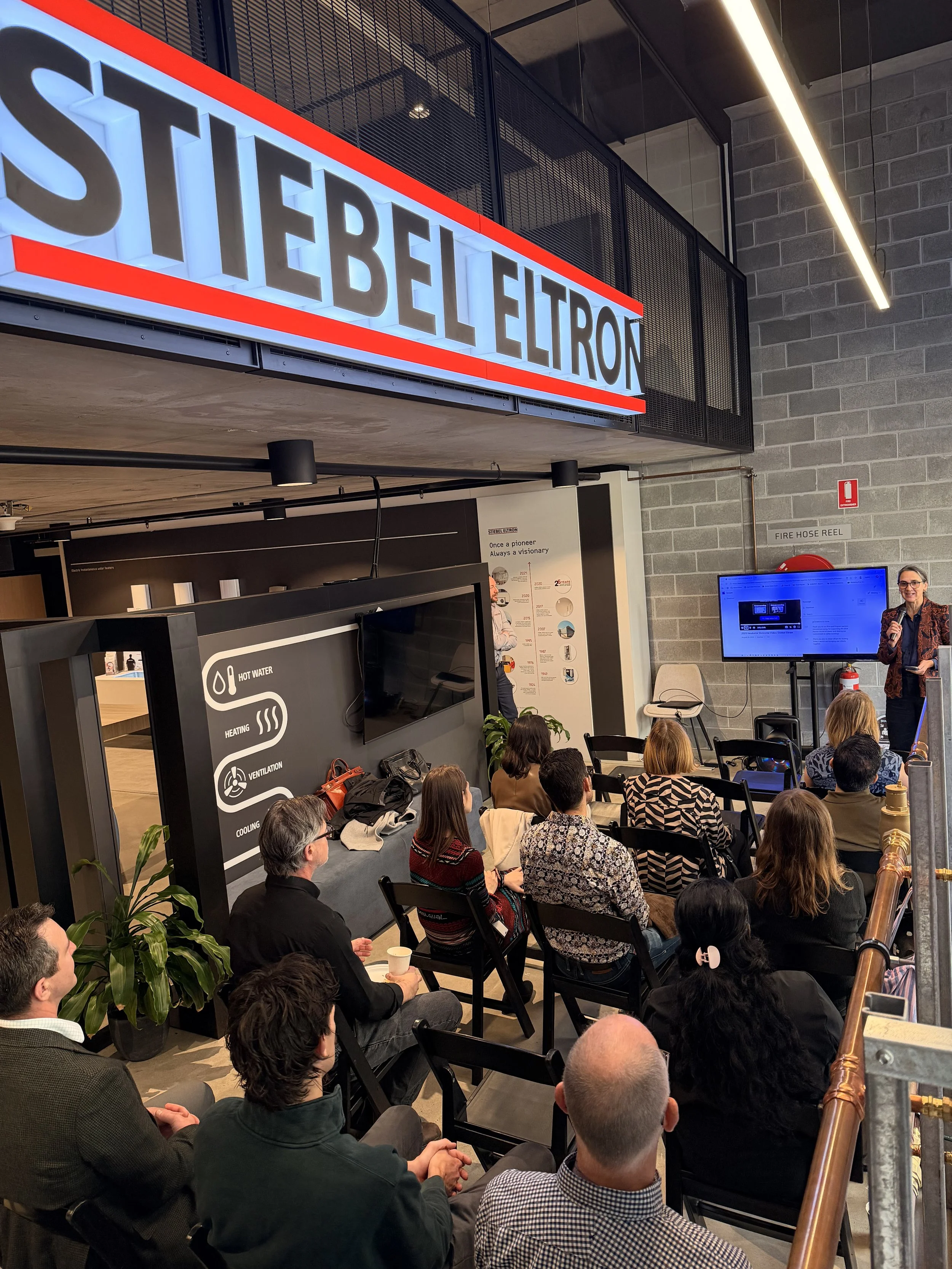
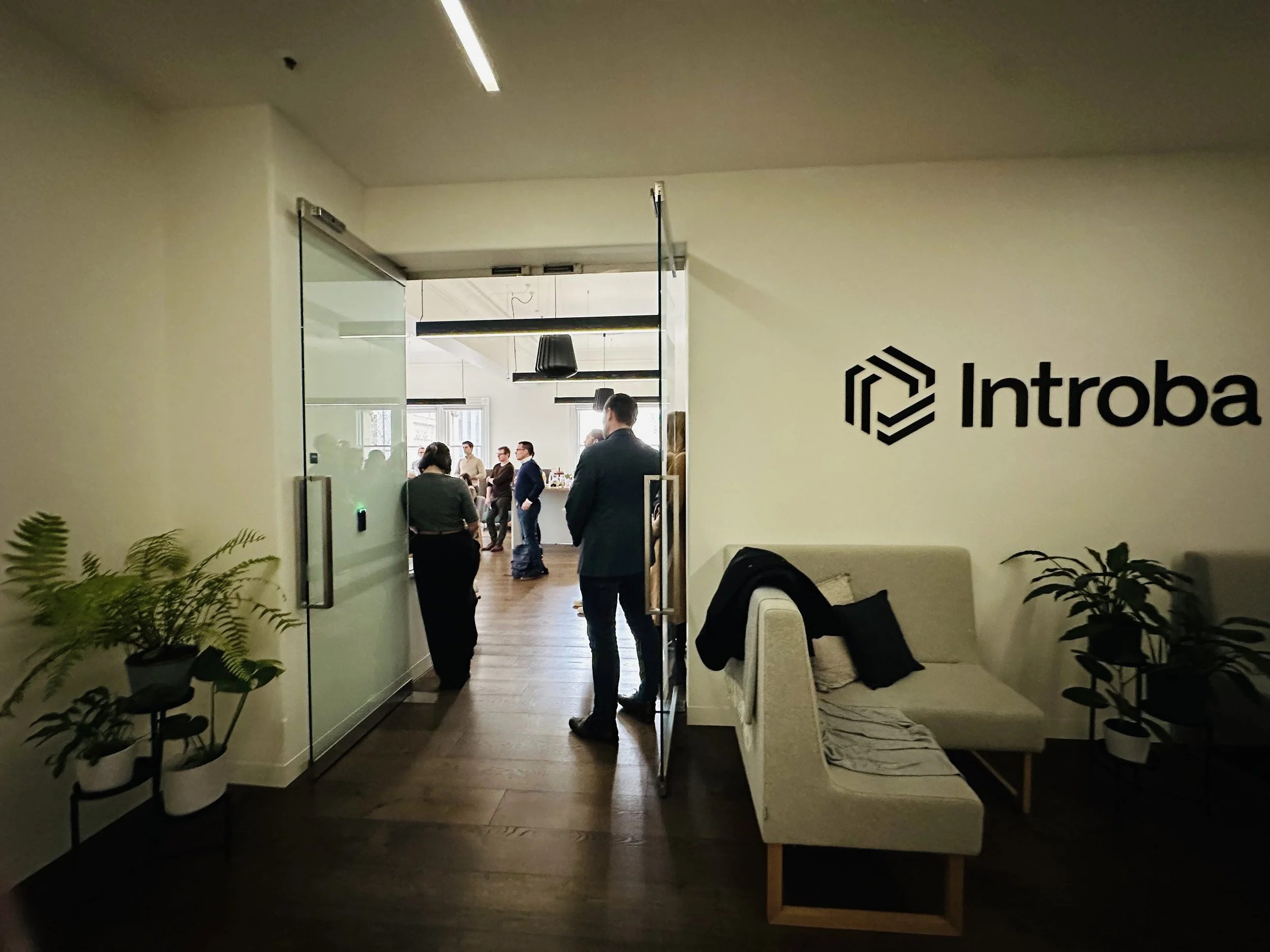
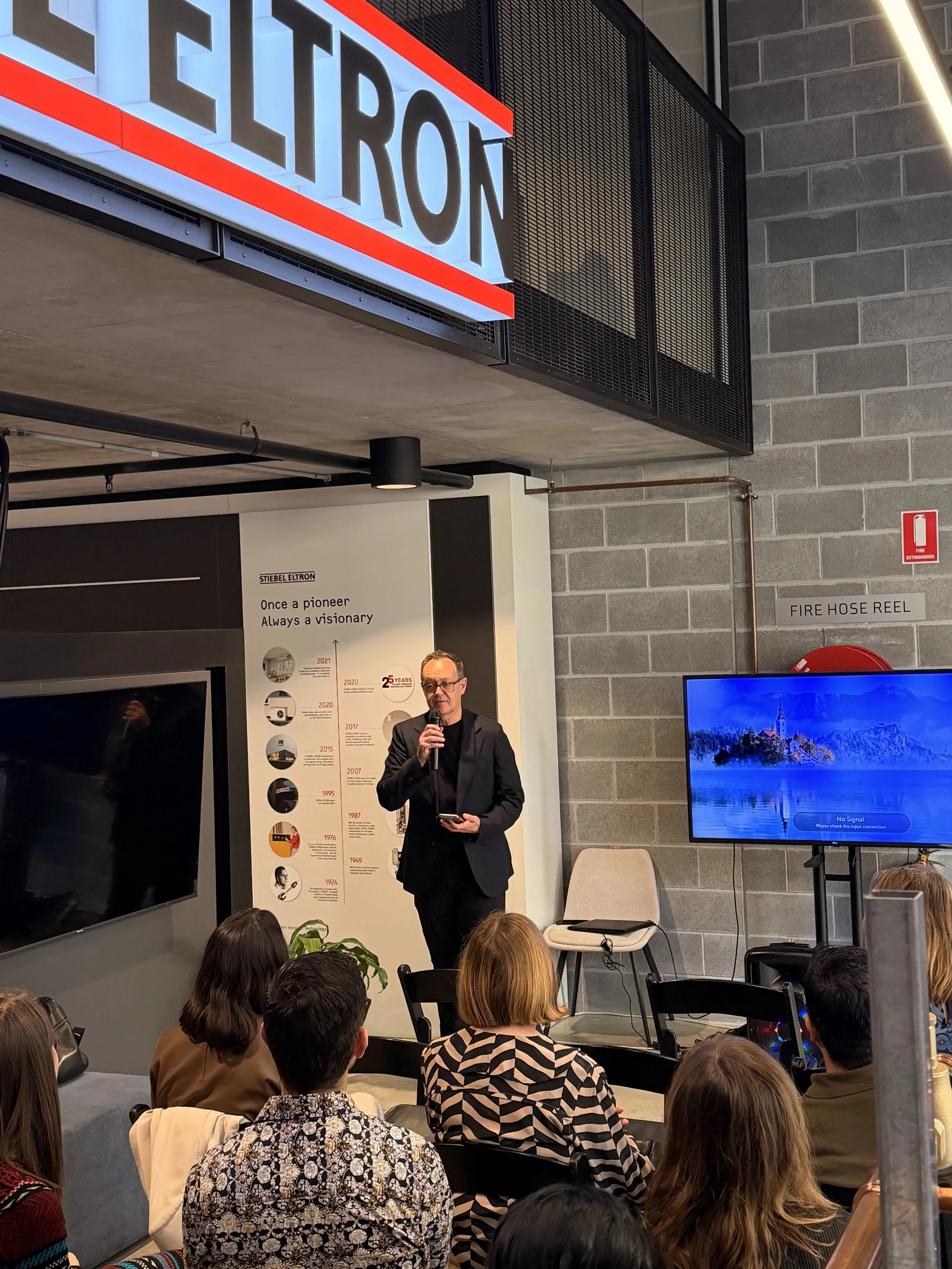
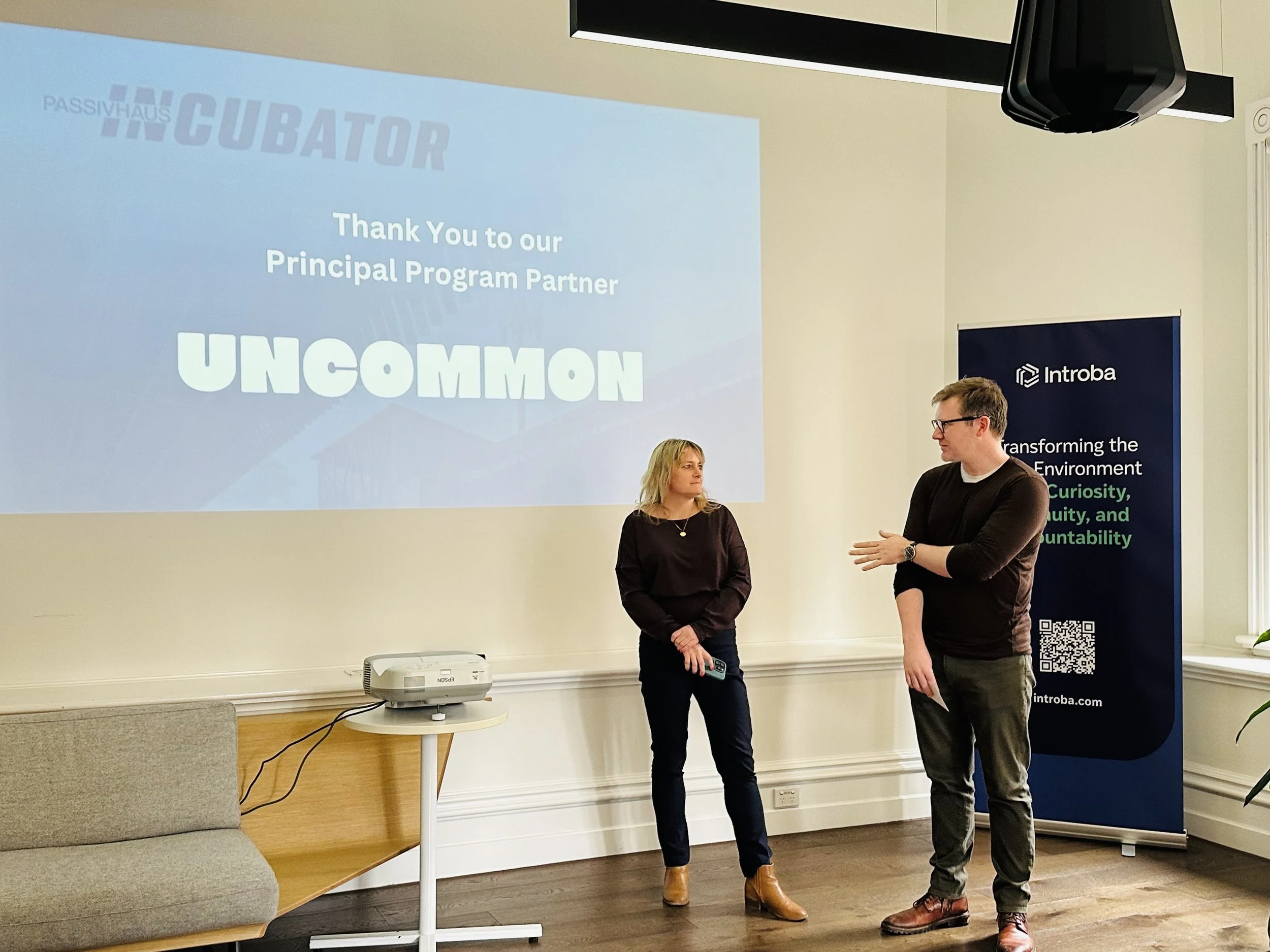
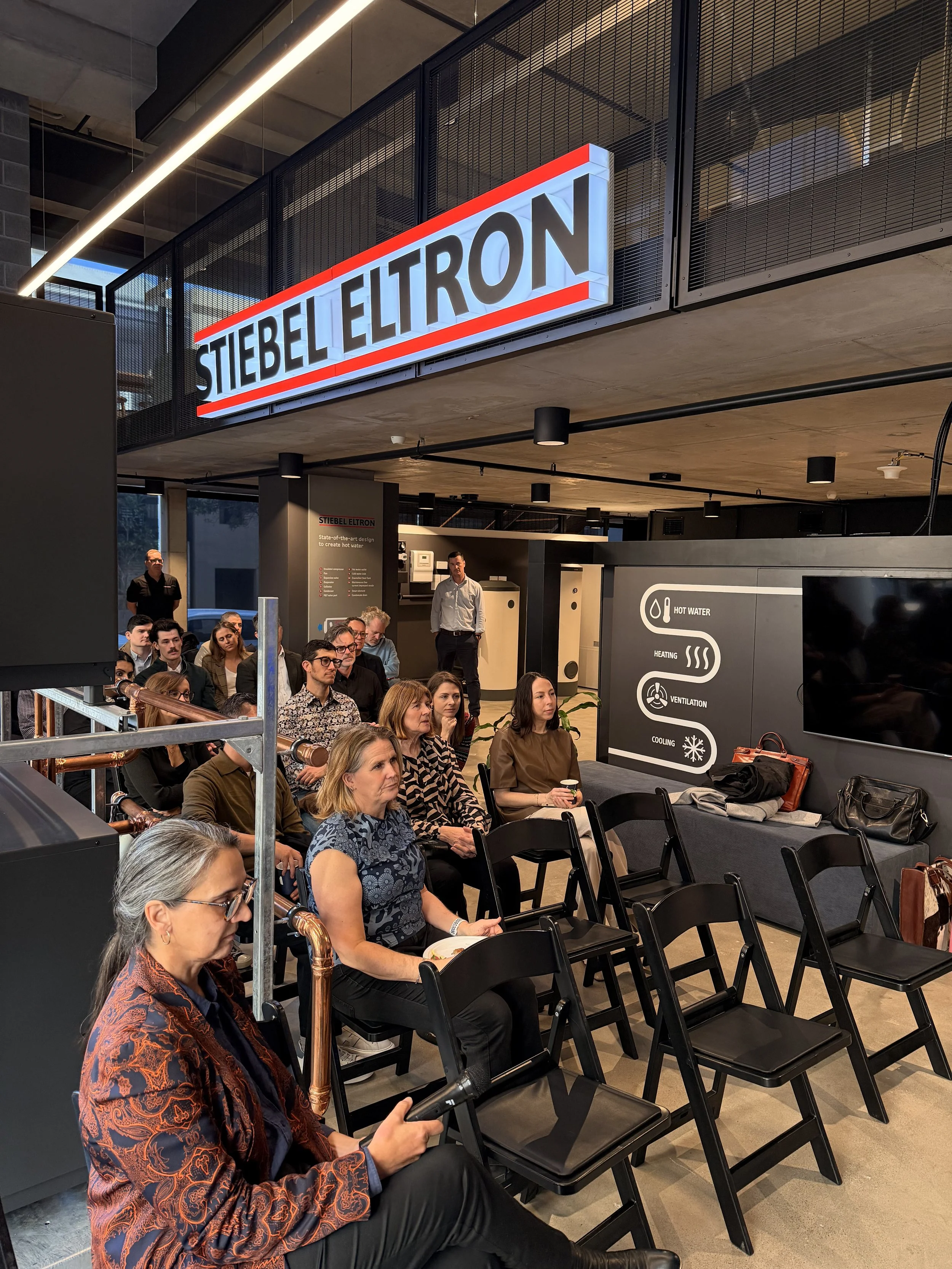
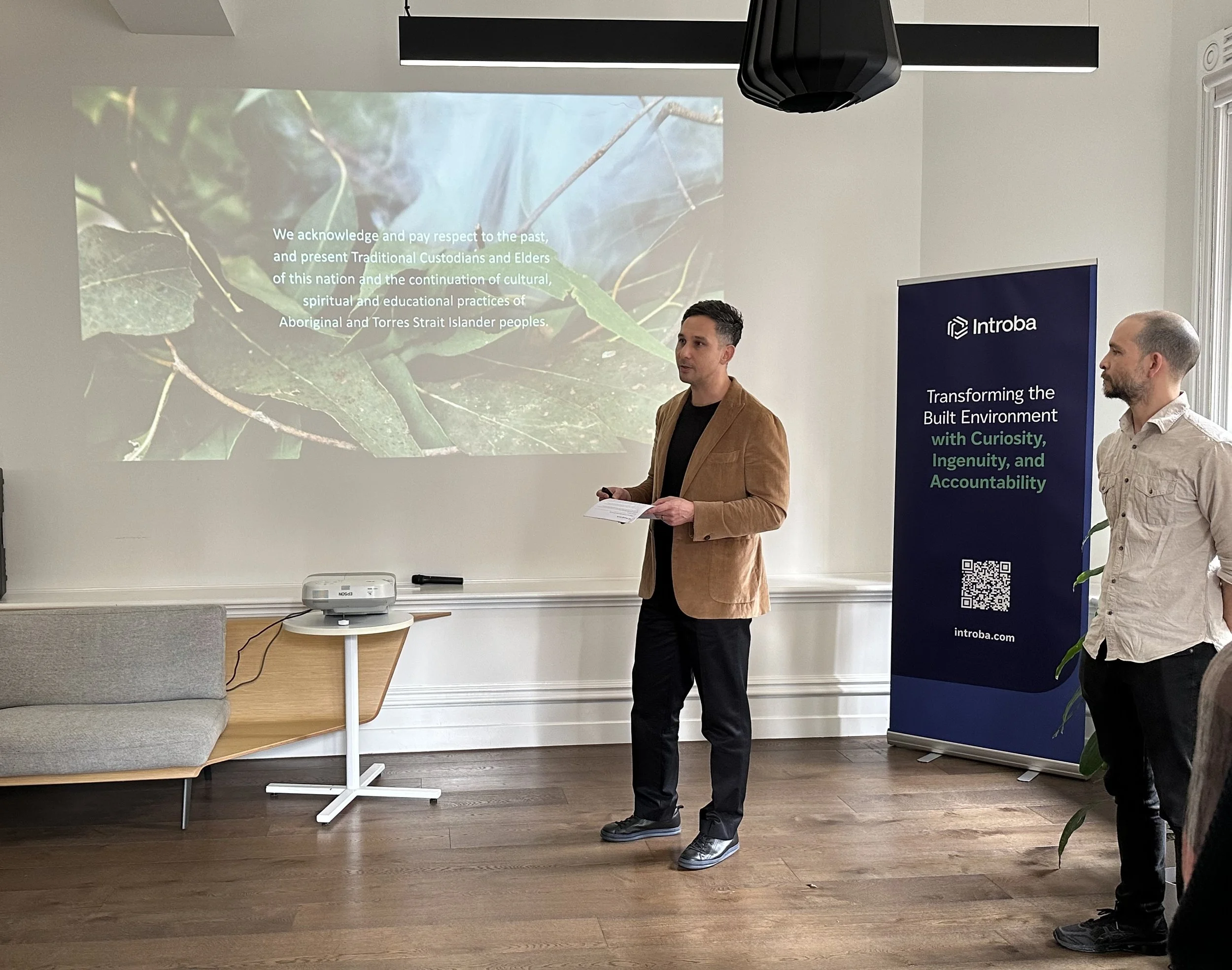
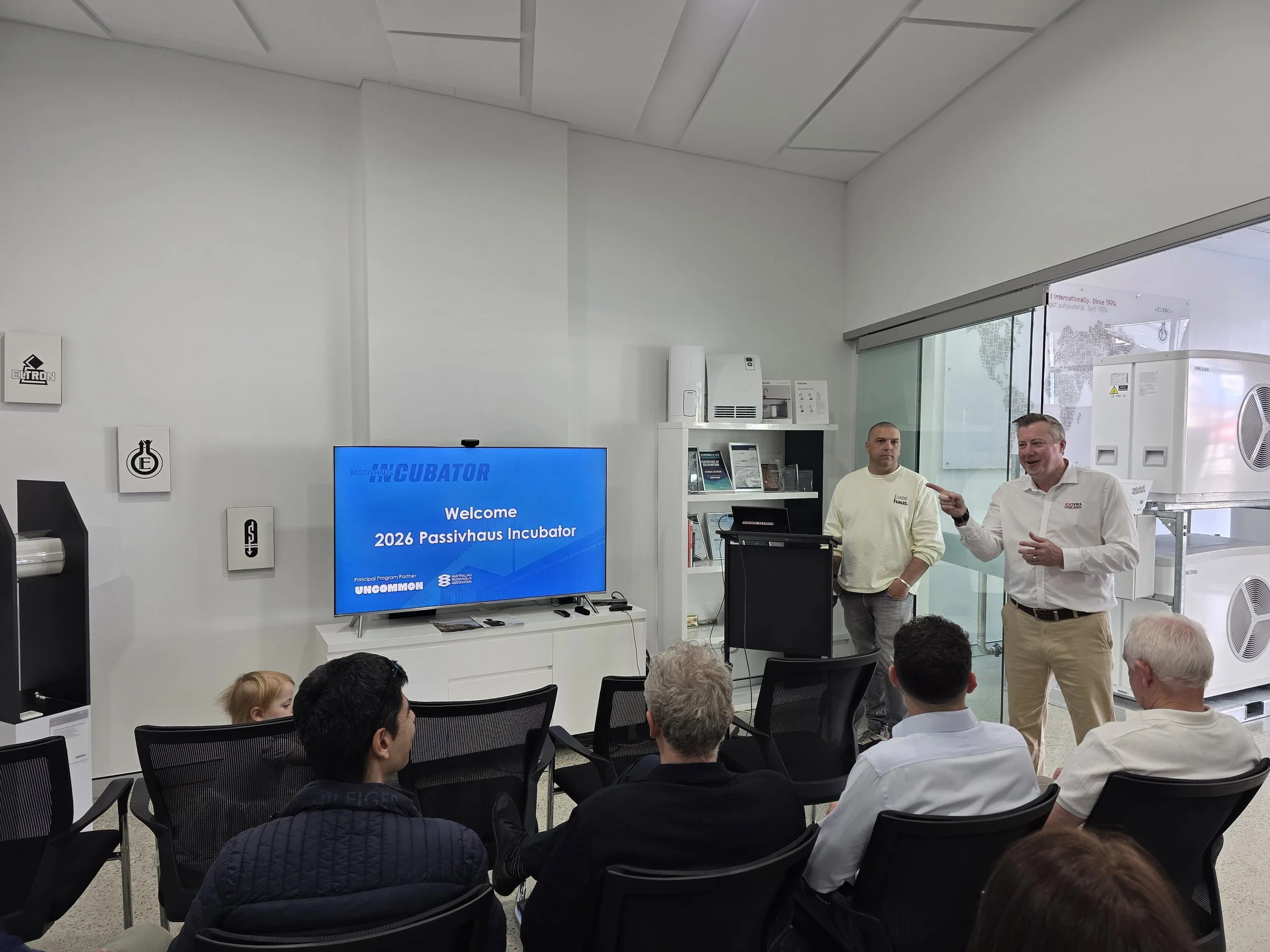
Today the Australian Passivhaus Association (APA) launched the third year of its Passivhaus Incubator Program, and for the first time, the cohort spans every state and territory in the country.
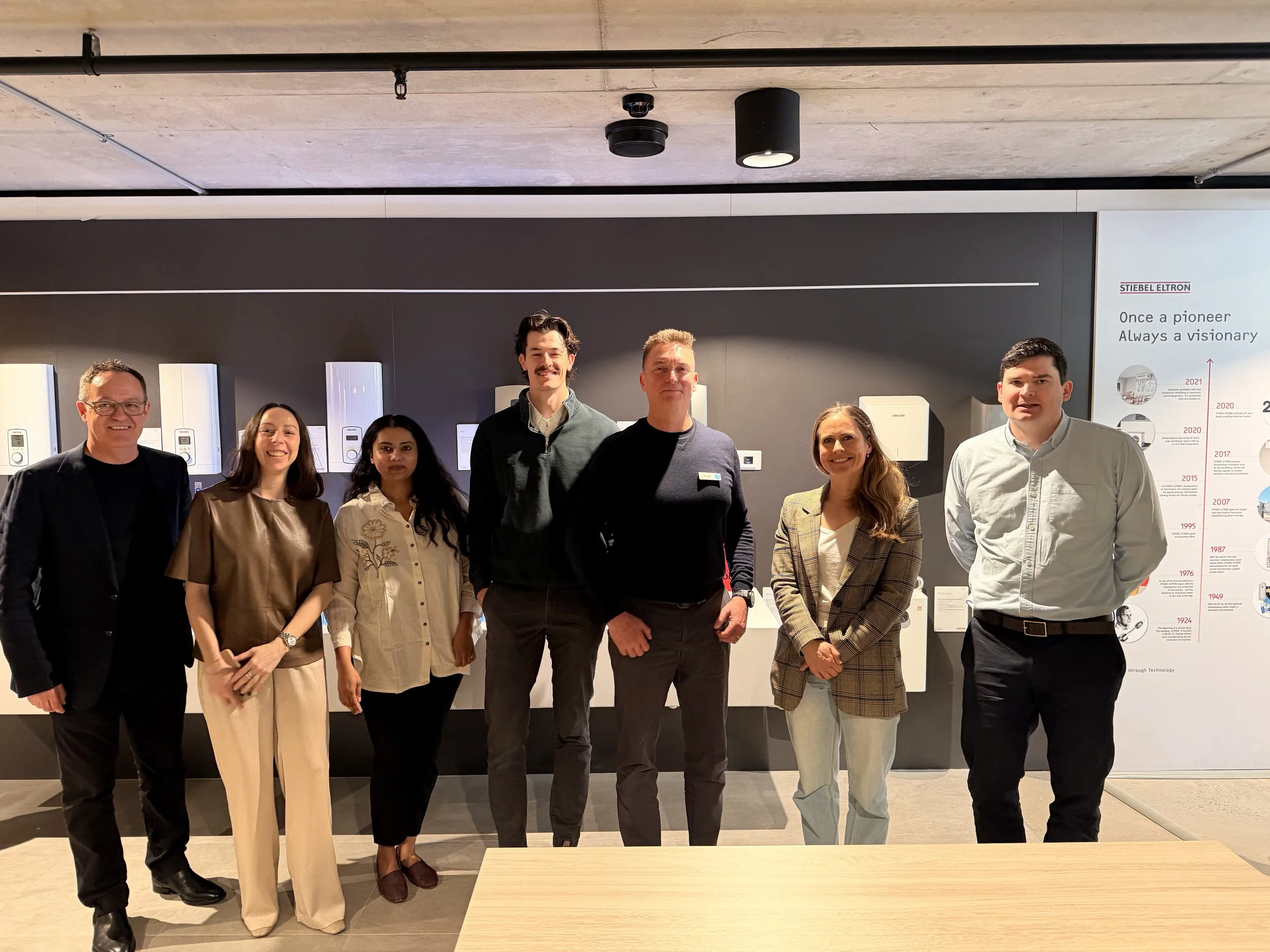
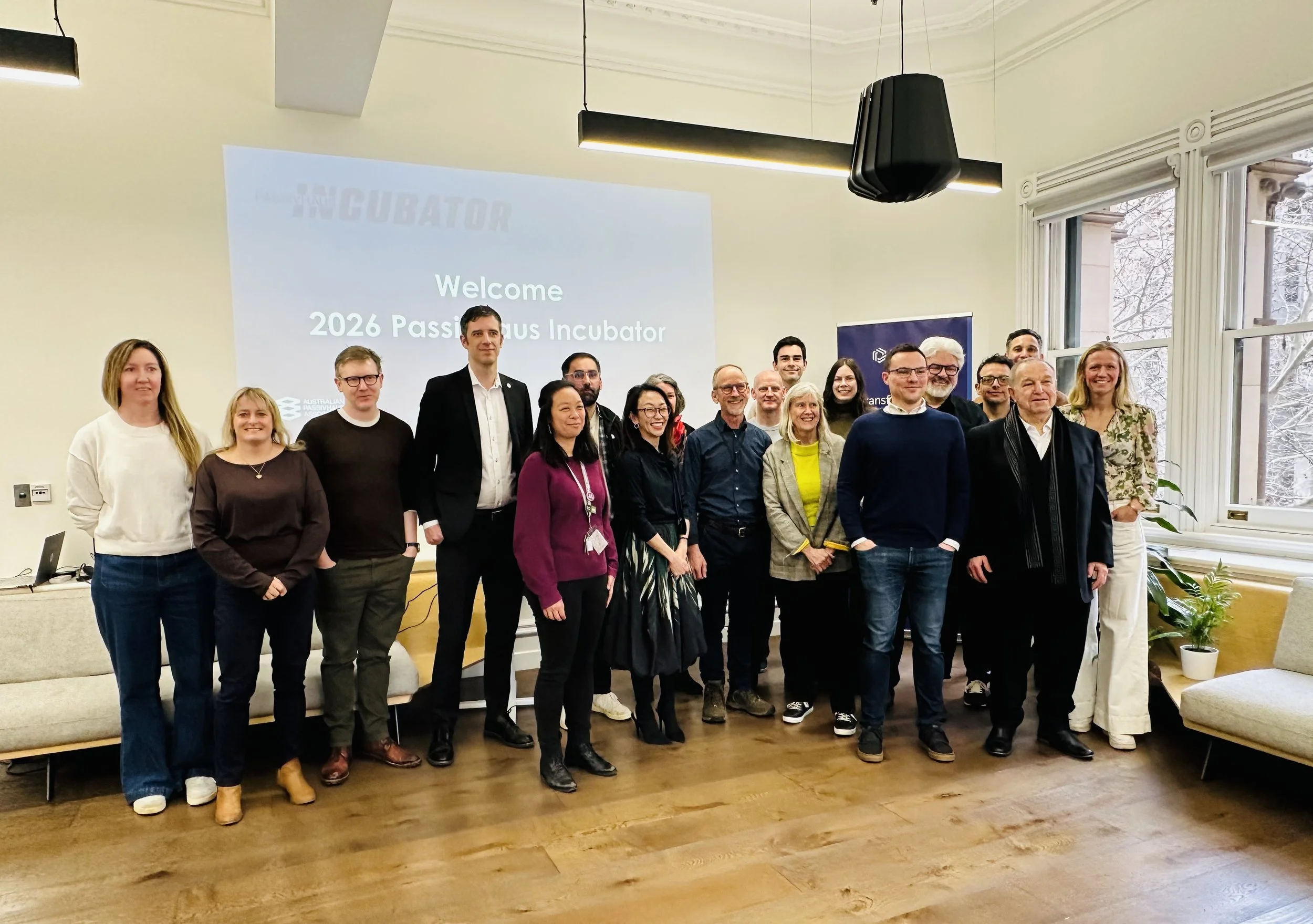
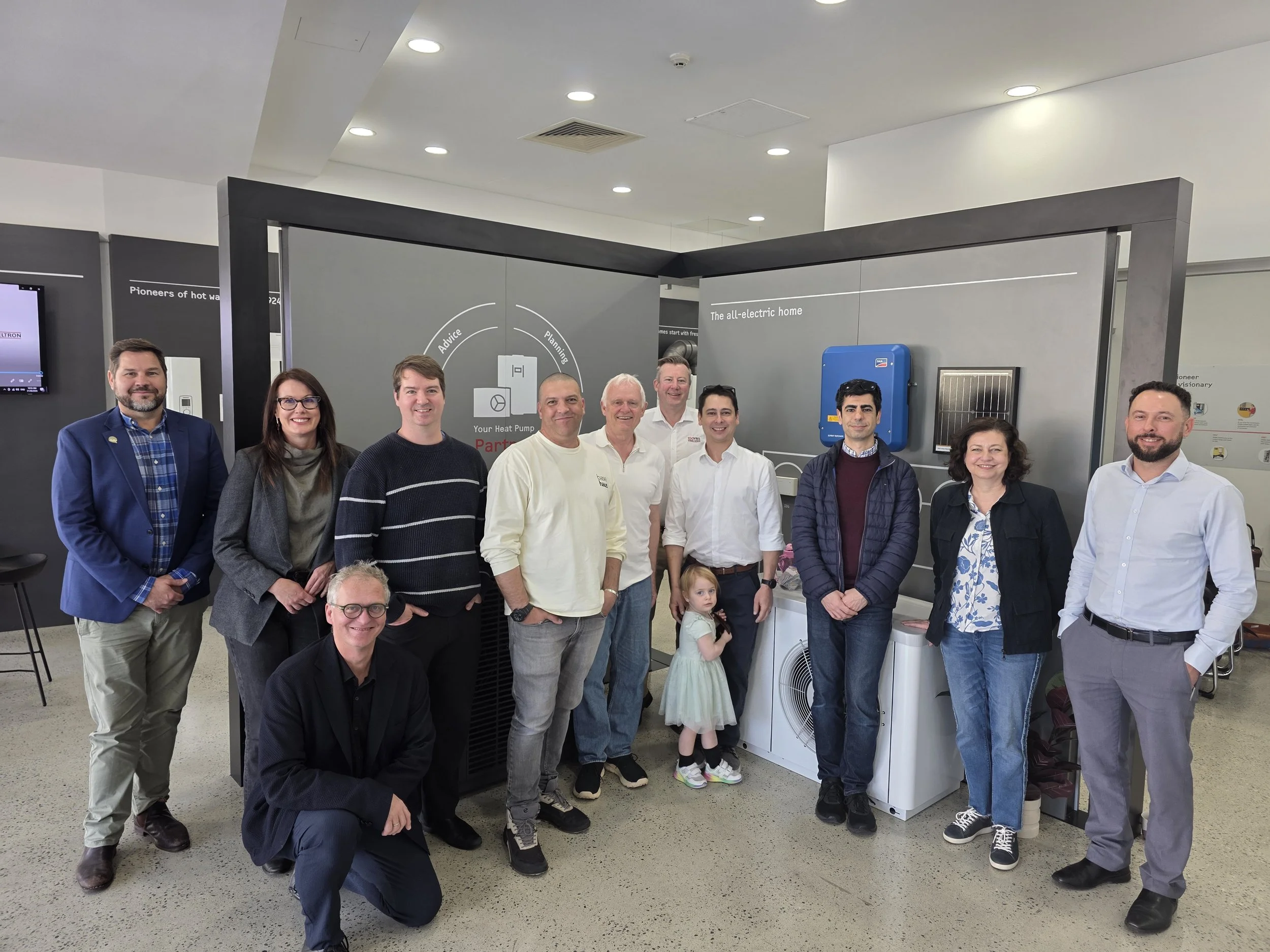
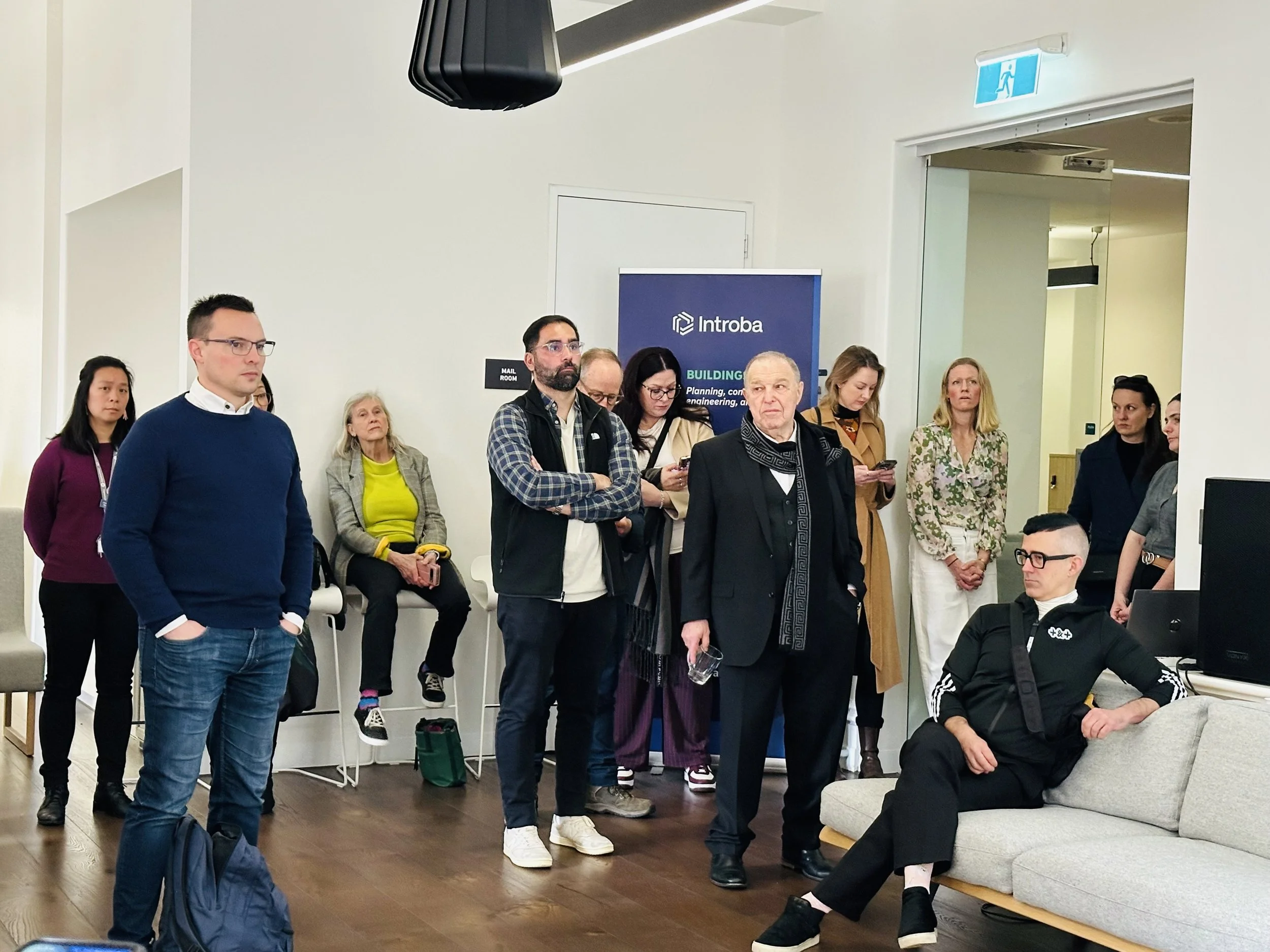
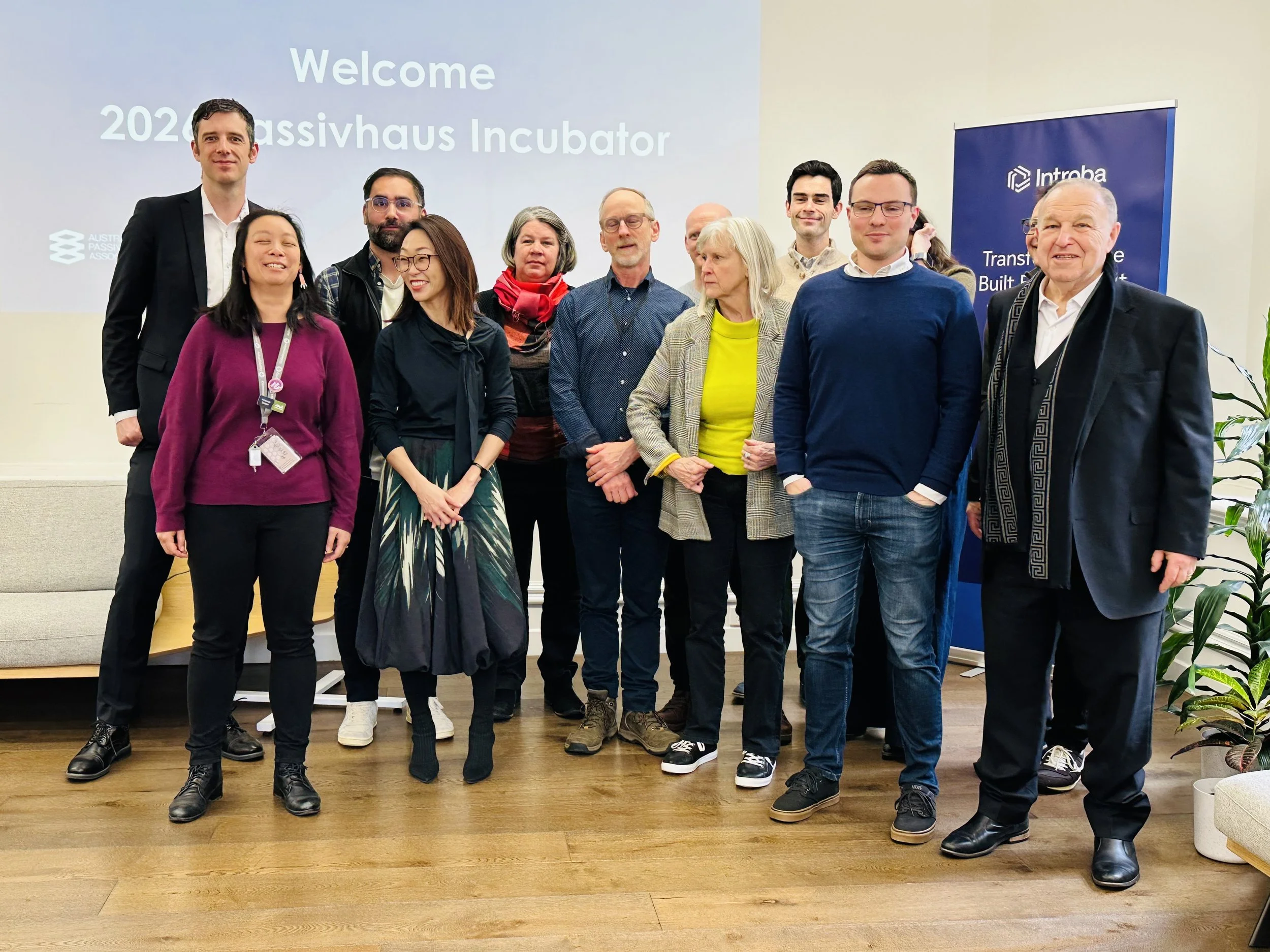
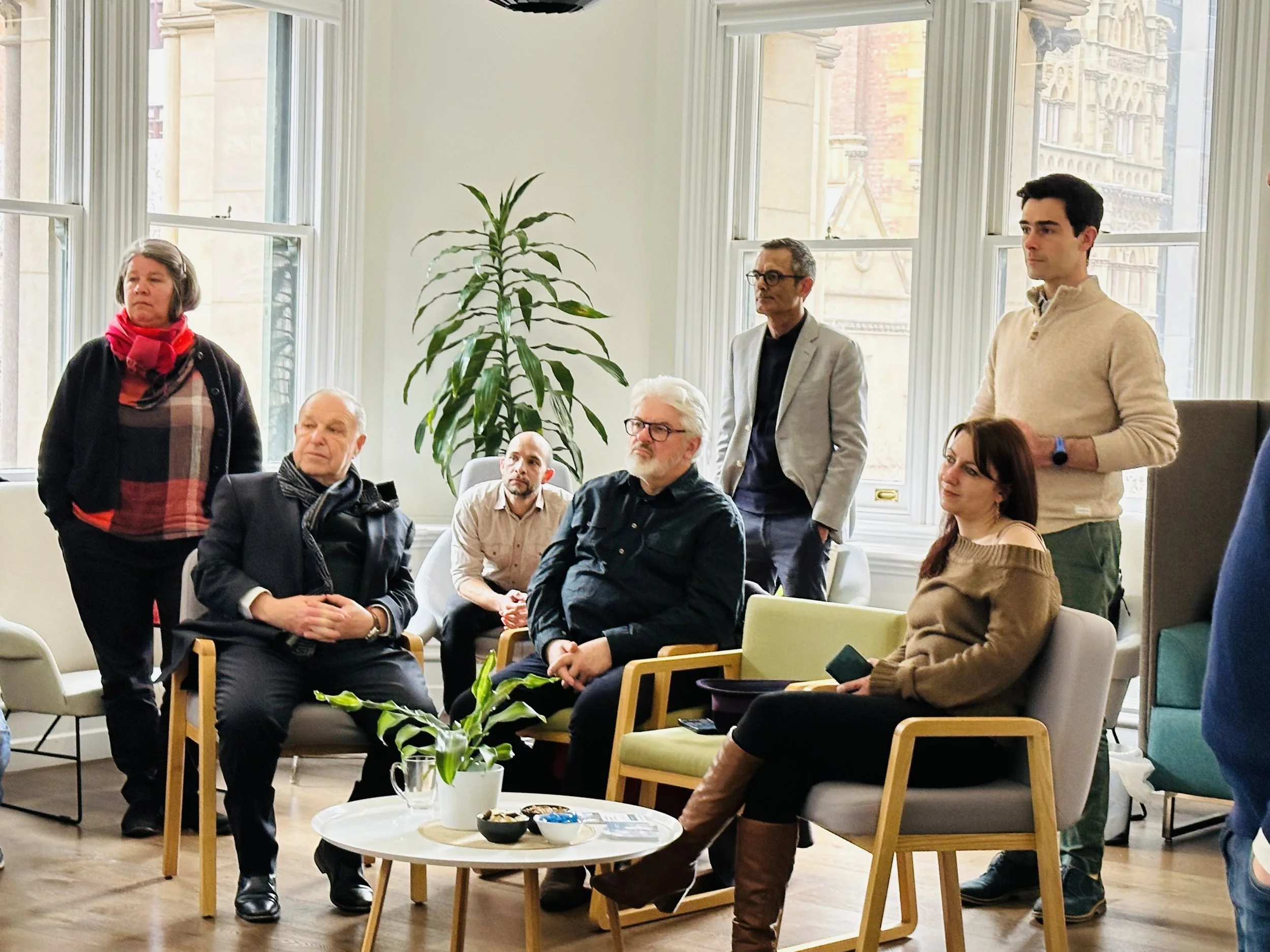
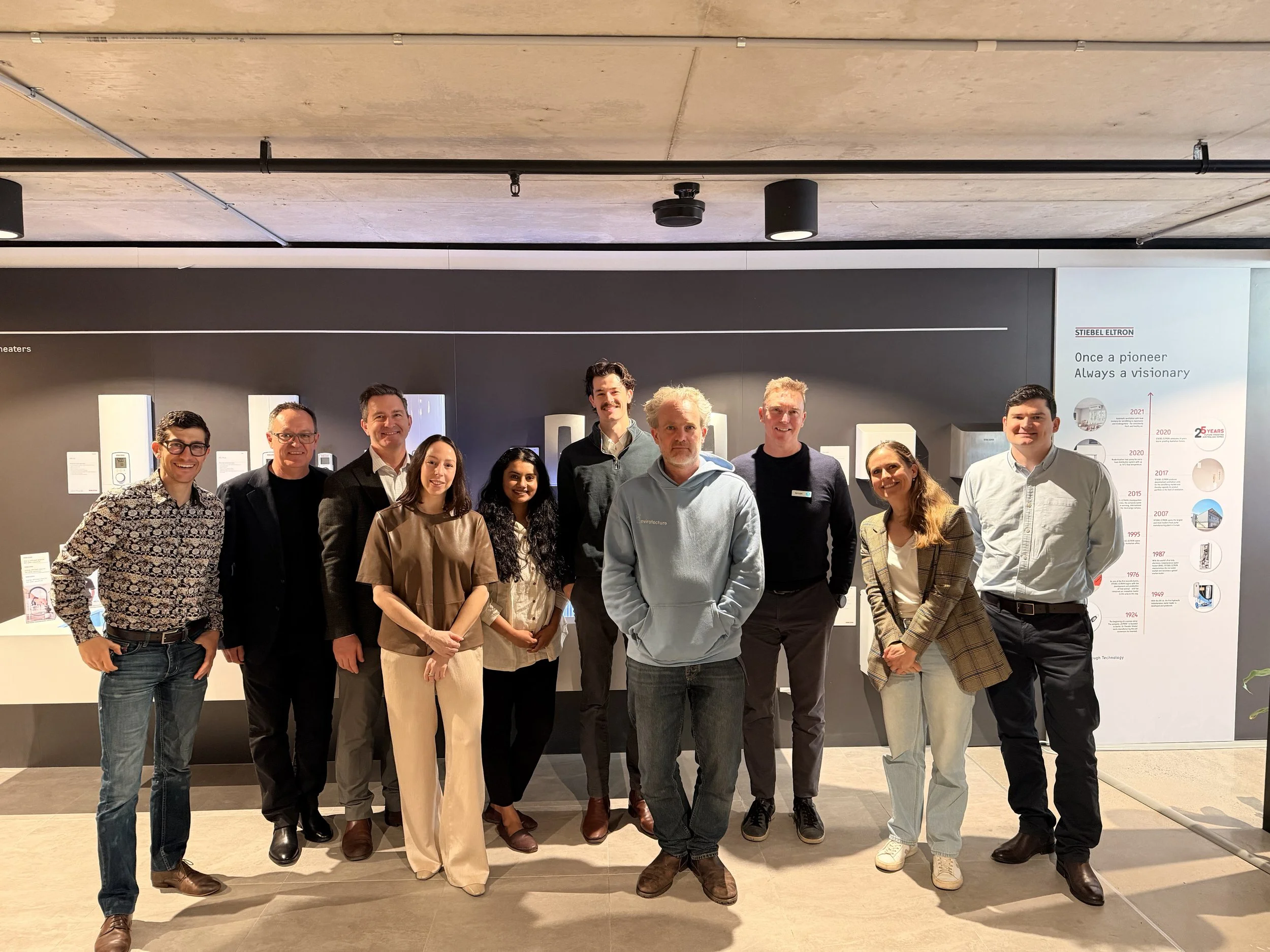
Four in-person launch events ran simultaneously in New South Wales, Victoria, Queensland and Western Australia. An online welcome session brought in participants and APA members from the ACT, Northern Territory, Tasmania and South Australia. What started three years ago as a Passivhaus-focused program is now a genuinely national one.
APA's job isn't just to grow technical knowledge of Passivhaus. It's to build the leadership, capability and industry confidence that makes better-performing buildings mainstream.
We already know how to design and build better. The technology and the examples exist. What's missing is often not technical at all: it's people inside government, councils, property organisations, design teams and construction businesses who understand why performance matters, can make the case for it, and have the confidence to push it through.
That's the gap the Incubator is built to close. It brings together people from across the system — government, councils, property, development, architecture, engineering, construction, planning, education and sustainability — and gives them a shared grounding in high-performance building principles and how to apply them.
Over eight weeks, participants learn from real projects, industry leaders and policy perspectives, and build a network of peers facing the same challenges. The goal isn't to finish knowing more about Passivhaus. It's to go back to their organisations equipped to actually change how decisions get made.
Who's in the Room
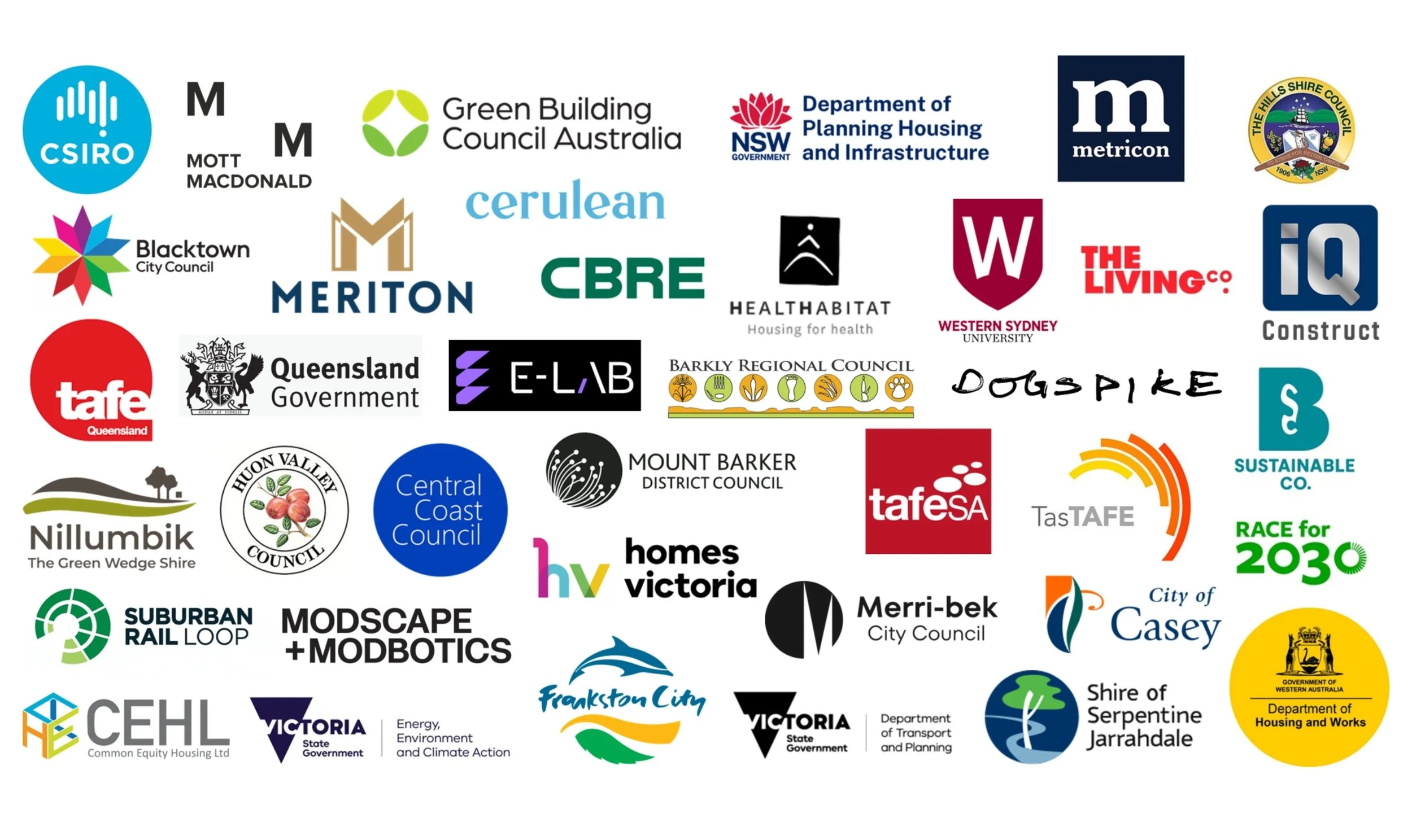
2026’s Incubator Cohort
Why This Matters Now
Australia's building sector is at a turning point. With the 7-star NatHERS floor expected to hold for several years, minimum compliance won't drive the next wave of better buildings. Industry leadership will.
The organisations and individuals who move ahead of minimum requirements are the ones who'll show the wider market what's possible. Passivhaus already gives us a proven framework for performance, comfort and quality. Scaling it means getting more people across the sector to understand the Passivhaus Standard, and putting them in a position to actually influence what gets built.
That's what the Incubator is APA's investment in.
From Our CEO
“Better buildings require informed leadership. We can have the technology, the standards and the technical knowledge, but meaningful change happens when people understand why better buildings matter and have the confidence to influence the decisions being made around them.
Over the next eight weeks, our aim is to give this cohort the knowledge, confidence, practical examples and professional connections to take what they learn here back into their organisations, projects and communities.”
— Stalin Chakrabarty, CEO, Australian Passivhaus Association
Thank You
The 2026 Passivhaus Incubator Program is proudly supported by our Principal Program Partner, Uncommon Living, Hosting Partners, Introba and Stiebel Eltron, and Session Partner, DesignInc.
APA sincerely thanks all our partners for their support in building industry capability and advancing better, healthier and high-performance buildings across Australia.
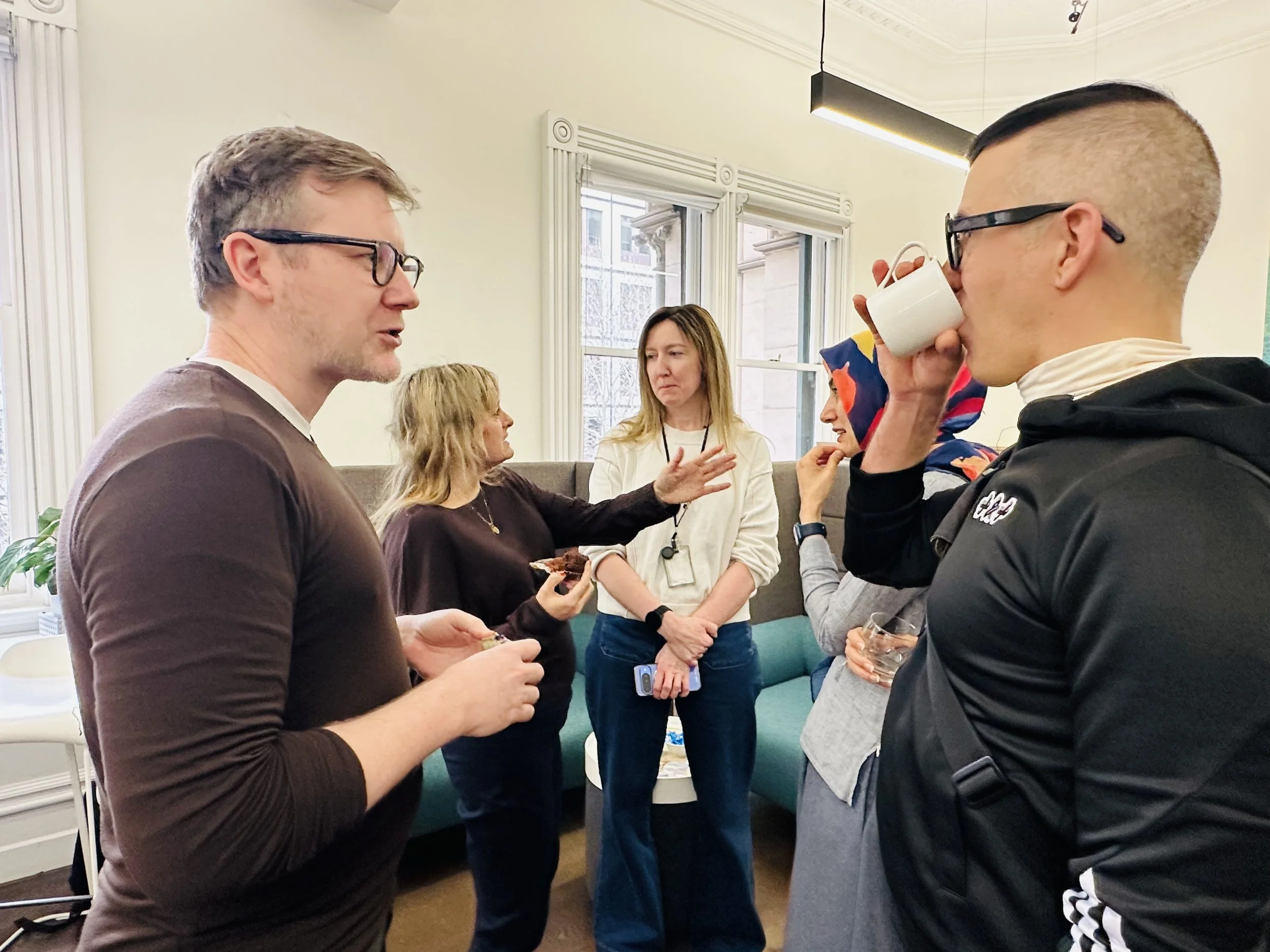
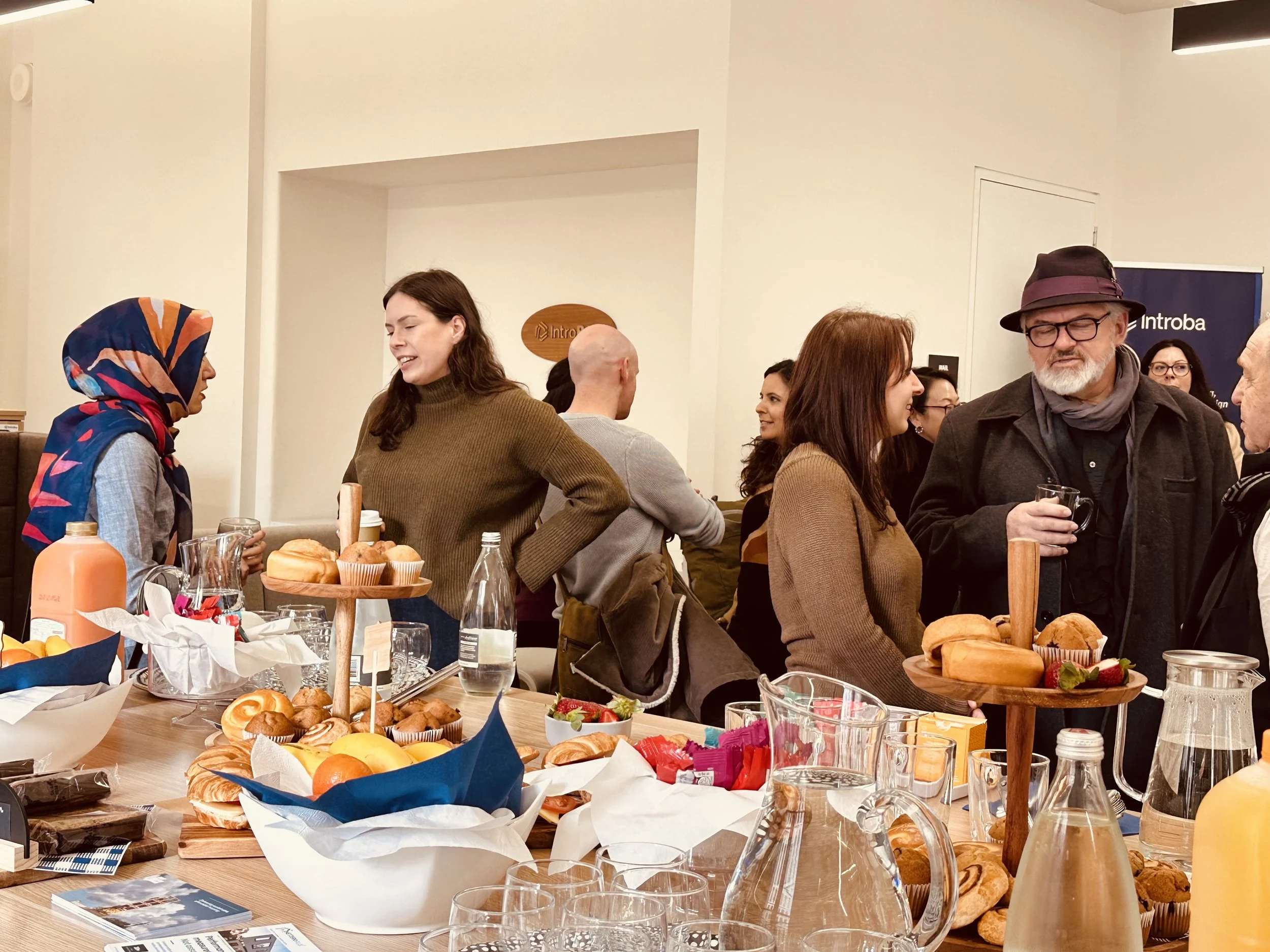
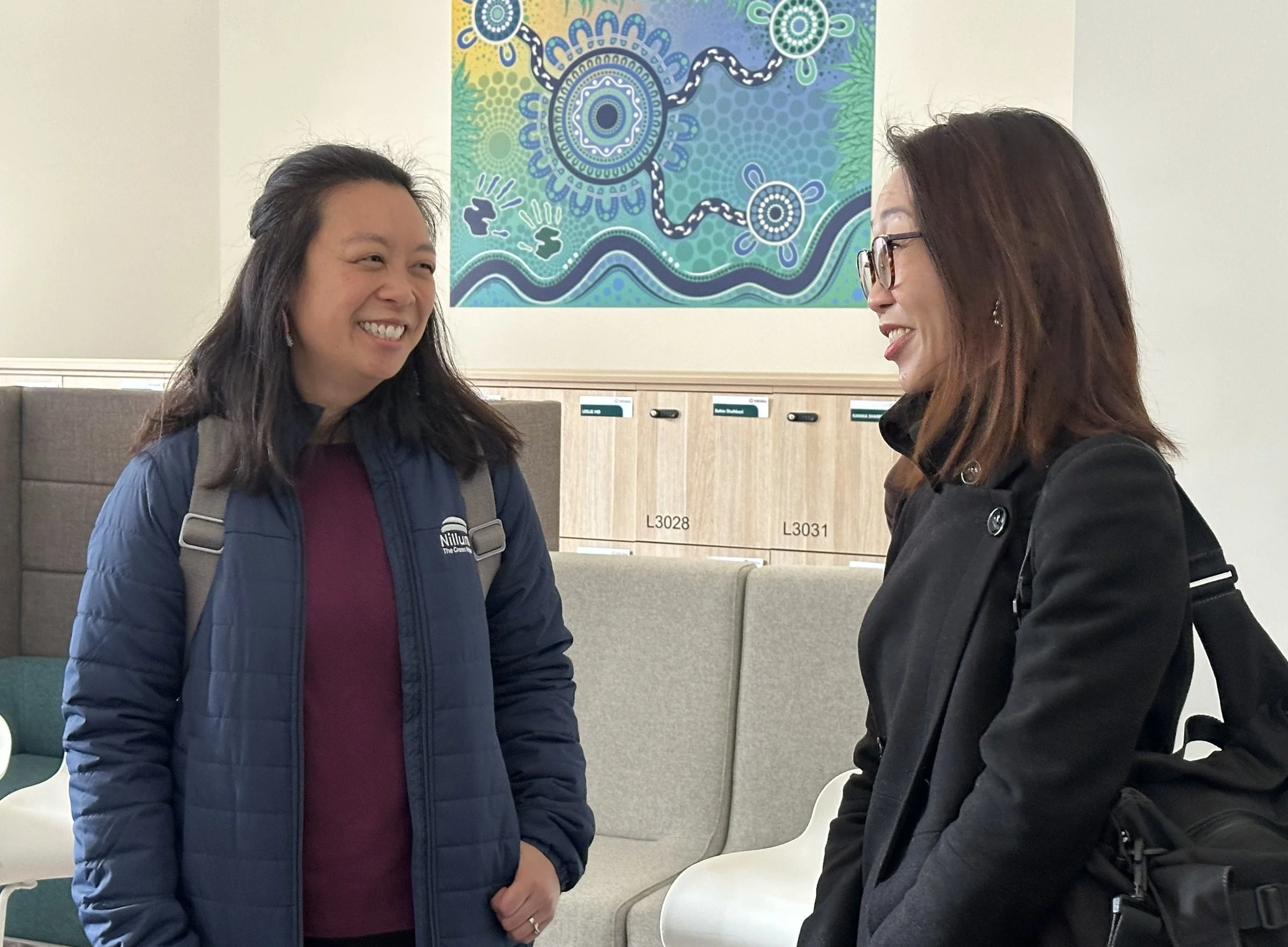
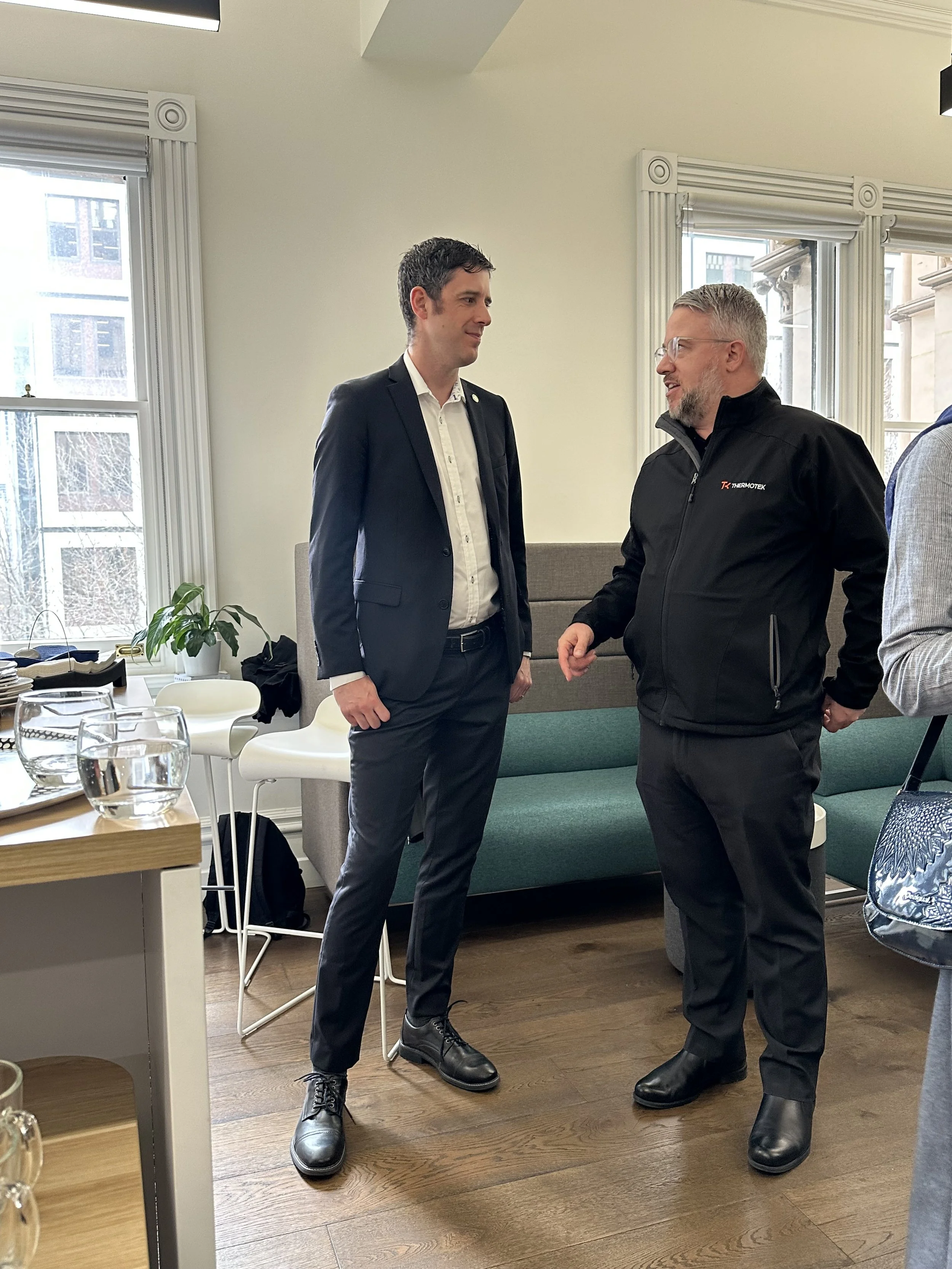
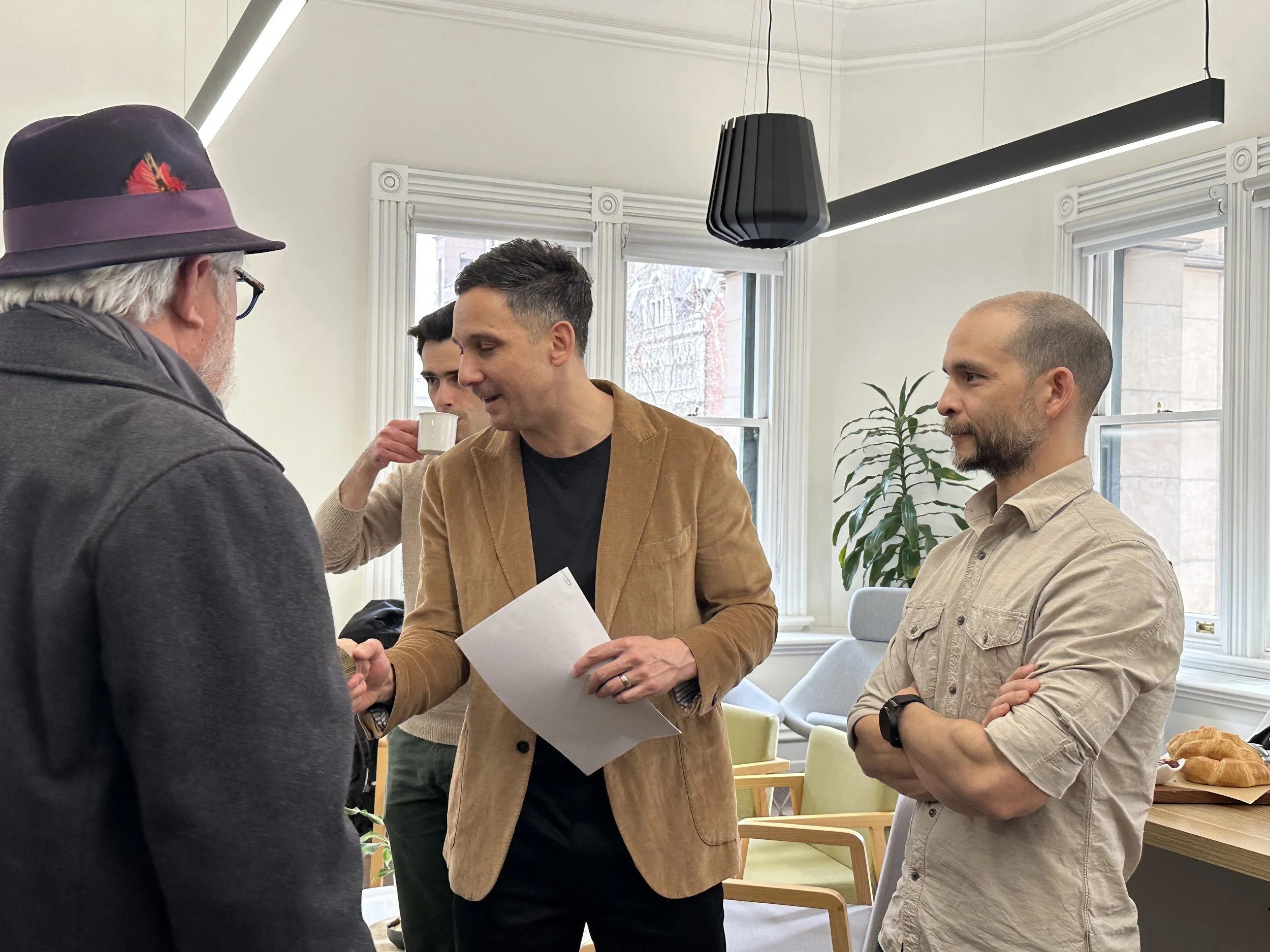
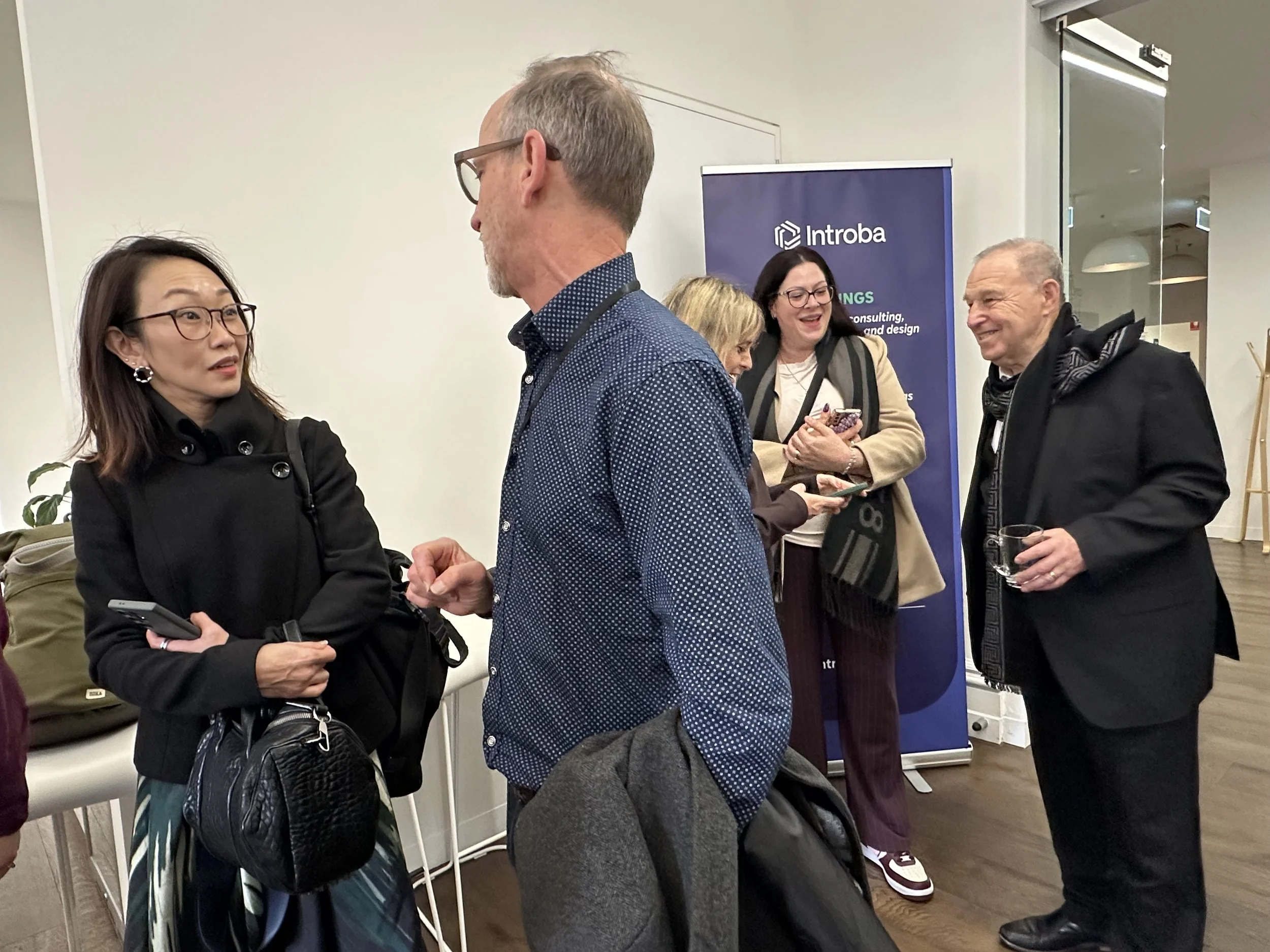
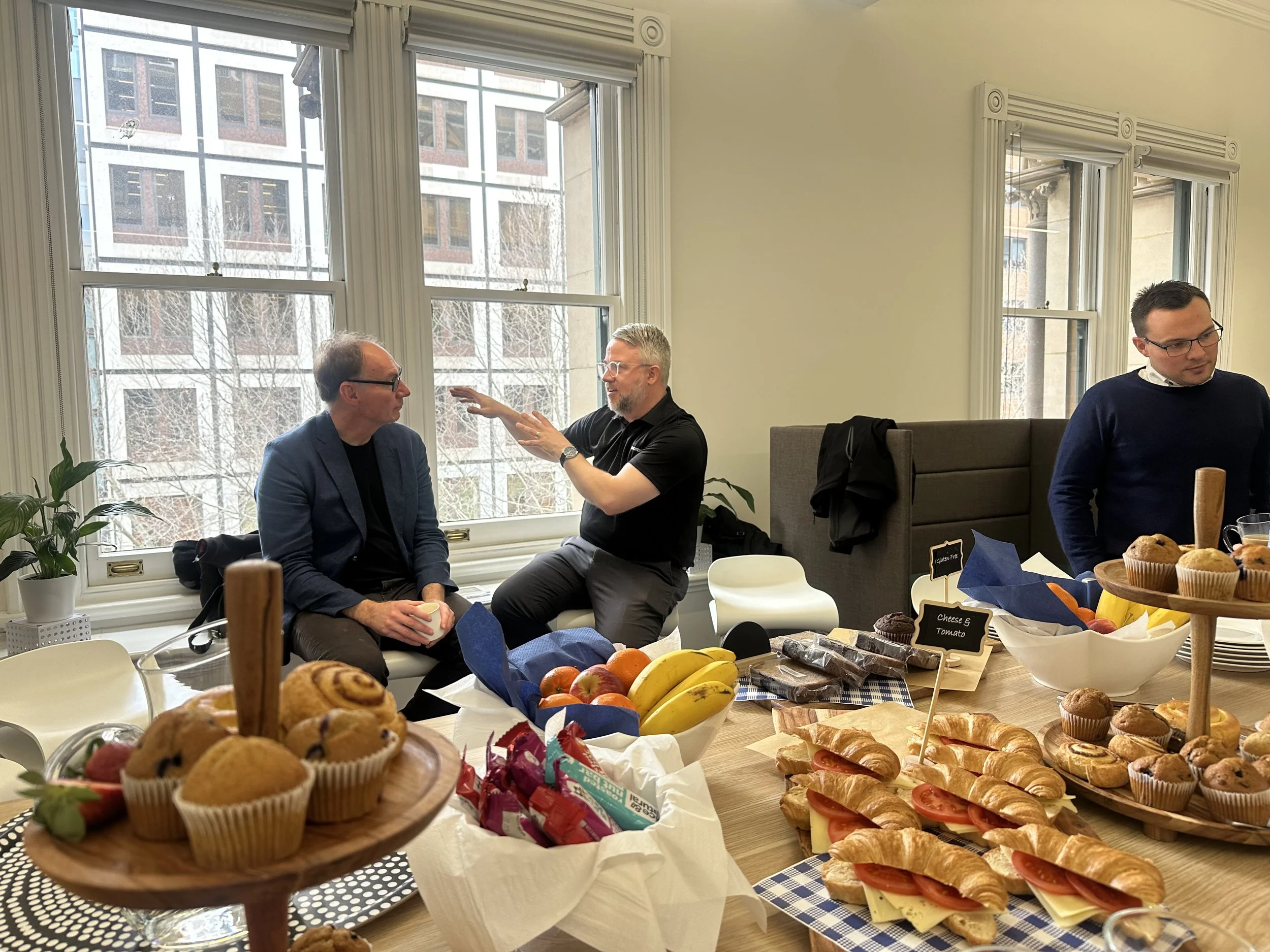
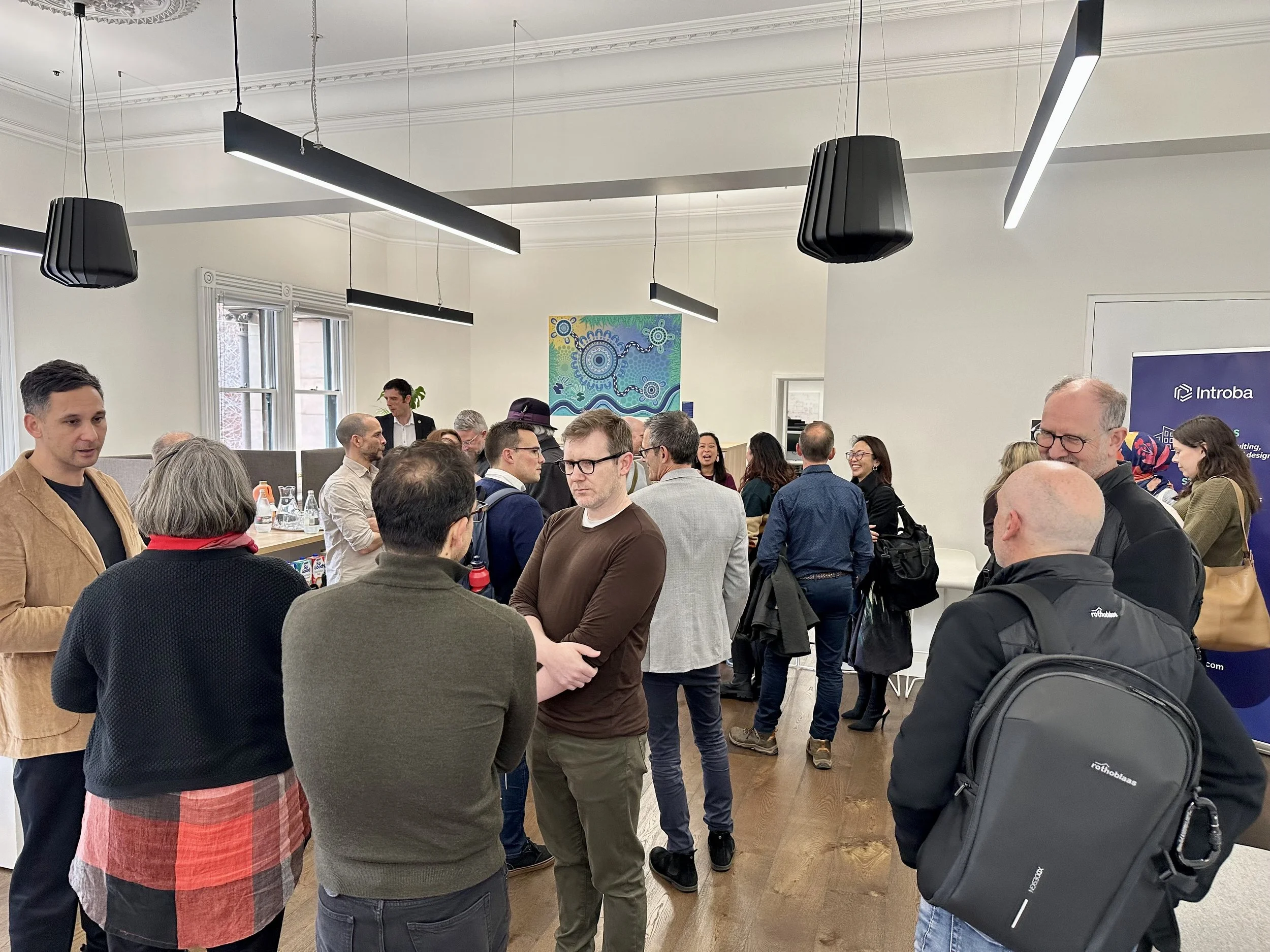
APA would also like to sincerely thank our members, mentors, facilitators and industry supporters who have generously contributed their time, knowledge and expertise to delivering the program and supporting the 2026 cohort.
Industry Experts & Facilitators
Kieran Leong (DesignInc Melbourne), Merylese Mercieca (Blue Eco Homes), Alex Feng (AF Project Consulting), Linden Thorley (Linden Thorley Architects), Emilia Iacovino (Detail Green), Chris Nunn (The Living Company), Clare Parry (Development Victoria), Alexander Gard-Murray (Passive House Massachusetts), Michael Morrisey (Speirs Ryan)
Program Mentors
Andy Marlow (Envirotecture), Torquil Canning (Torquil Canning Homes), Jessica Kismet (Climasure), John Beurle (Passive House Services), Alex Slater (Building Physics Australia)