

Australia’s first Passivhaus retirement villa
Keyton’s new Passivhaus villa at The Grove in Ngunnawal, ACT, marks a pivotal moment for retirement living in Australia, as the first home in a retirement community designed to meet Passivhaus Standard. The project demonstrates how Passivhaus Standard can directly support better health outcomes for elderly Australians. Sustainability and performance were embedded as core design priorities rather than treated as optional add-ons.
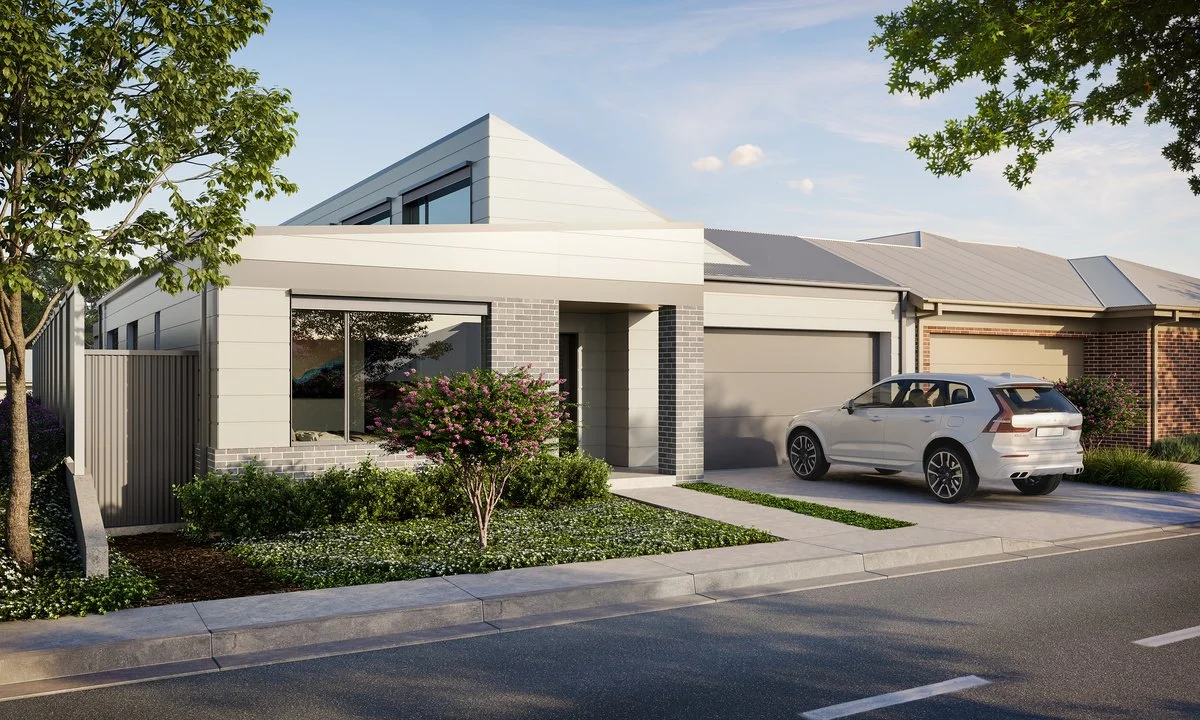
A Pilot for Passivhaus Retirement Homes
This project is significant as the first Passivhaus home within an Australian retirement village. The villa is being delivered as a pilot within the village’s latest expansion stage, which adds 29 independent living villas and a new Homestead community hub, with completion of this stage anticipated in early 2026. The Grove itself forms part of a broader 5 Star Green Star Communities precinct, with features such as double glazing, heat pump hot water and solar PV to new villas, positioning the Passivhaus villa within a wider, place‑based sustainability strategy.
Benefits for Elderly Residents
The value of this project lies in its very specific performance outcomes for seniors, particularly in Canberra’s climate.
The Passivhaus building fabric and systems are designed to maintain a stable indoor temperature in the comfort band of roughly 18–25 degrees year‑round with minimal active heating and cooling, aligning with World Health Organisation guidance for older people and reducing exposure to temperature‑related health risks such as respiratory and cardiovascular issues.
As per the Passivhaus Standard, continuous mechanical ventilation with heat recovery supports consistently high indoor air quality while controlling drafts, helping to reduce condensation, mould risk or noise, which can be particularly problematic in conventional lightweight housing in the ACT.
Substantially lower energy demand for space conditioning translates into reduced running costs for residents on fixed incomes, improving financial resilience as energy prices fluctuate while also lowering operational carbon.
The villa is embedded in an age‑friendly design framework at The Grove, which includes step‑free paths and showers, wide corridors and garages pre‑wired with 15‑amp outlets for future EV charging, demonstrating how high‑performance envelopes can be integrated with universal design and ageing‑in‑place principles.
Stalin Chakrabarty, Acting CEO of the Australian Passivhaus Association, said:
"Australia’s first Passivhaus retirement villa is a significant step forward for high performance housing in Australia. This project shows that Passivhaus delivers not only sustainability outcomes, but also health, wellbeing, and cost-of-living benefits, particularly for elderly Australians on fixed incomes. This achievement also creates opportunities to work more closely with retirement village operators and developers across the country. With Australia expected to need approximately 67,000 new retirement homes by 2030, there is a strong opportunity to embed Passivhaus standard into future retirement developments. APA will continue advocating for more retirement housing to be delivered to the Passivhaus Standard to support long term health, comfort, and resilience outcomes for residents.”
A Trial Run for Future Communities
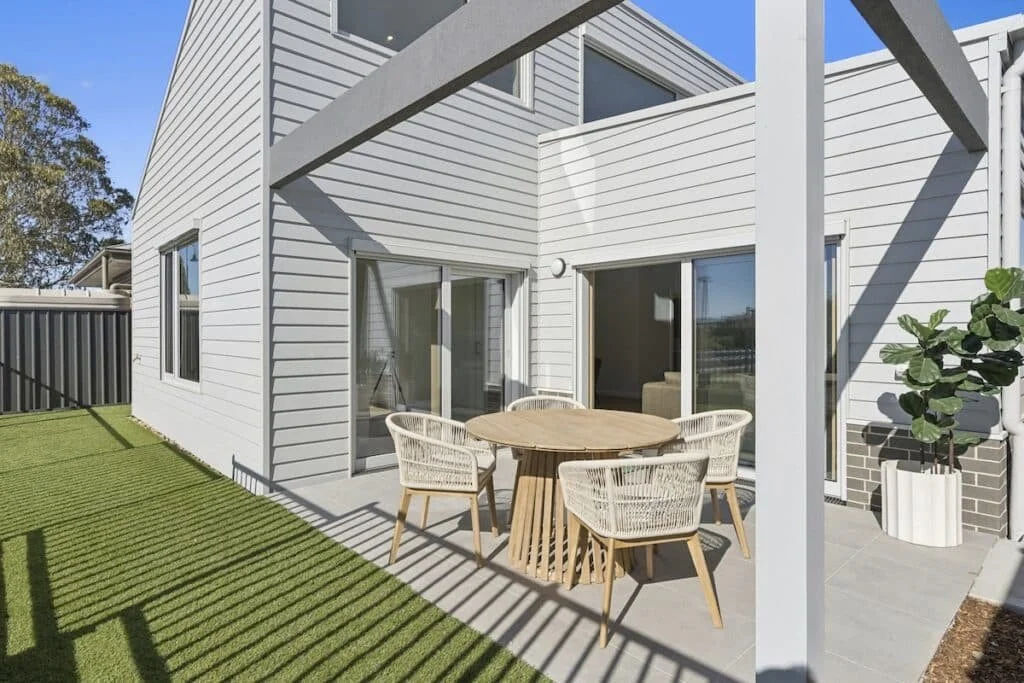
Keyton has positioned this villa as a learning and research platform.
Keyton’s Head of Safety, Sustainability and Wellbeing, Kara Pisani, noted that the pilot will be used to:
• Study the build process
• Monitor in-use performance
• Understand how the home impacts resident comfort and wellbeing
Insights from this monitoring will help inform future development stages and other Keyton communities, enabling scalable delivery of Passivhaus principles across the retirement living sector.