

Duncraig EnerPHit
Residential: Single Dwelling
EnerPHit Certification
Duncraig, WA, 2024
The existing home was a typical 1972 project home with cavity brick and clay-tiled roof cover. Whilst the location of the home was ideal, the construction was a typically breezy, fickle temperatured, West Australian build.
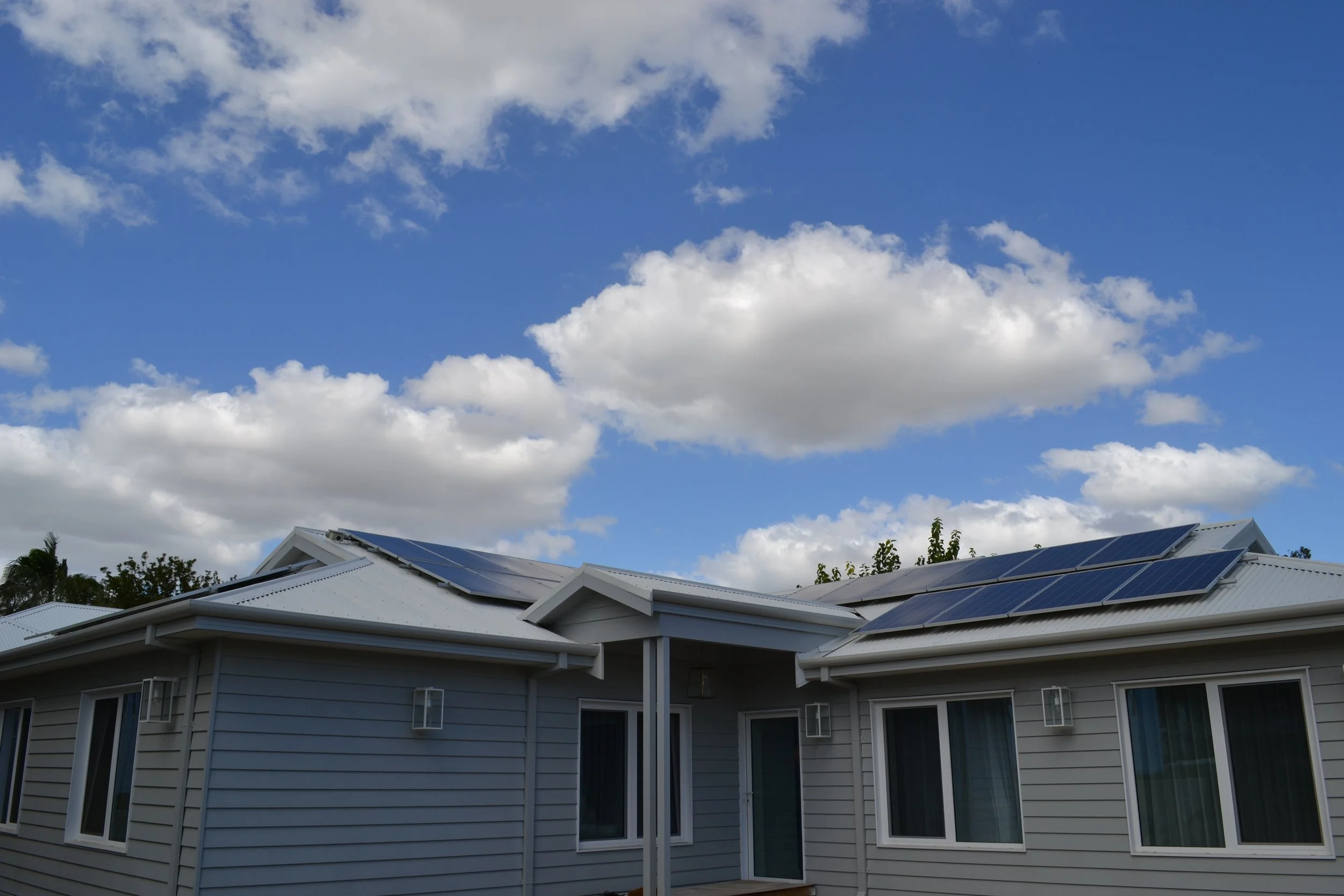
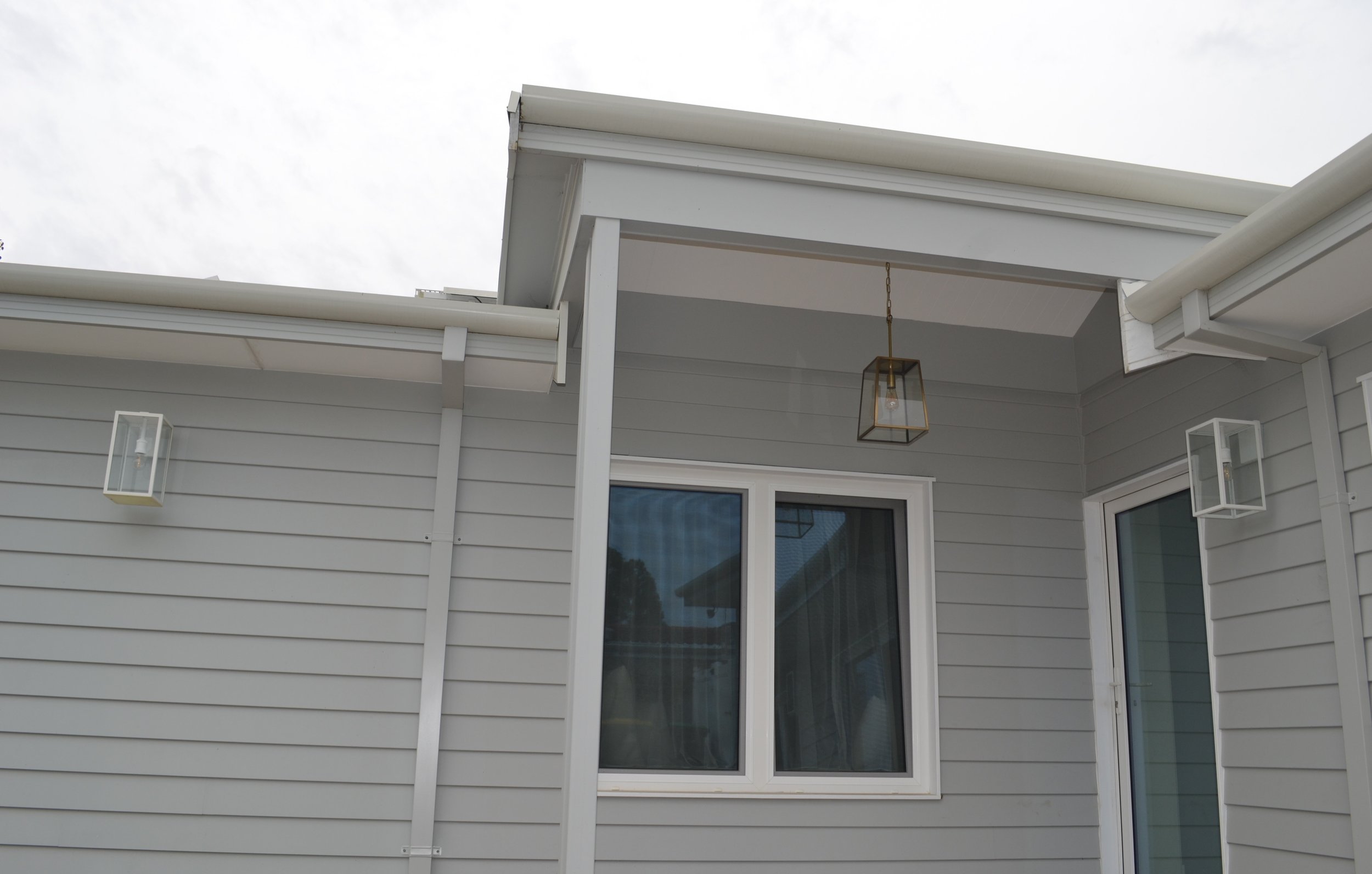
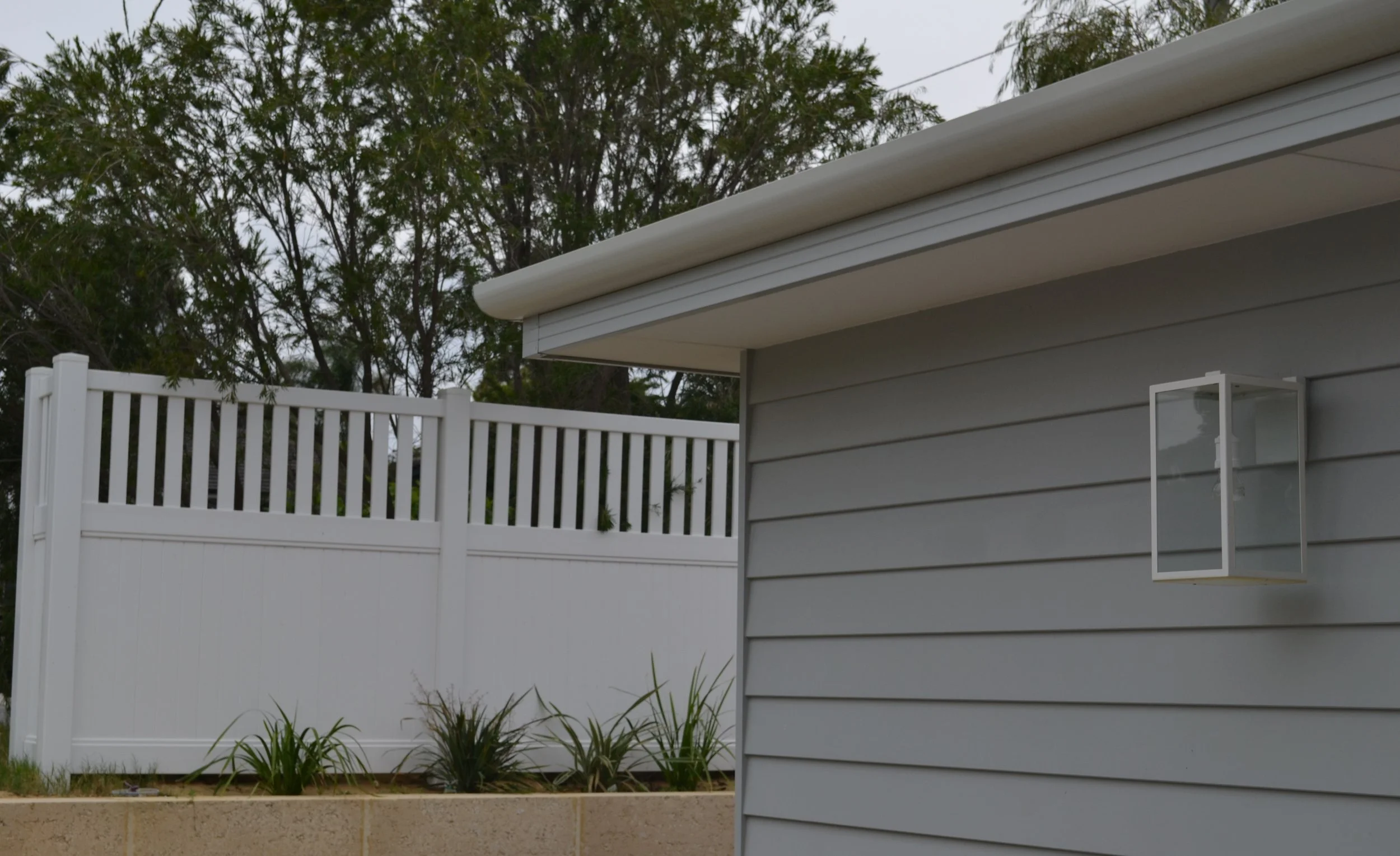
Health and comfort were the main goal of this exciting project. Maintaining the existing footprint, the home was retrofitted with an exterior insulation layer, including ventilated cavities to walls and roof, and clad in weatherboard and Colourbond. The thermal envelope was extended to under the existing roof line of the attached single garage, creating an additional living space and bedroom.
To create a 200mm service cavity, the ceiling height of the home was not altered; keeping and lifting the existing hardwood roof structure allowed space for services enclosed within a continuous insulation layer.
Original hardwood floors and a recently renovated bathroom were maintained. Some internal walls were removed to create a connected living, dining and kitchen area, whilst other rooms were separated to create a main bedroom and ensuite.
The interior of the home was modernized throughout with a conservative effort to remove petrochemical materials where possible. All gas connections were removed and replaced with all electric appliances throughout.
-
AIRTIGHTNESS n50 ACH@50pascals: 0.7
HEATING DEMAND (kWh/m².yr): 15
COOLING DEMAND (kWh/m².yr): 4
HEATING LOAD (W/m²): 11
COOLING LOAD (W/m²): 11
PRIMARY ENERGY DEMAND (PE) (kWh/m².yr): 109
PRIMARY ENERGY RENEWABLE DEMAND (PER): 51
PRIMARY ENERGY RENEWABLE GENERATION (PER): 45 -
LOCATION: Duncraig, WA
NCC CLIMATE ZONE: 5 – Warm temperate
NATHERS CLIMATE ZONE: 52
YEAR OF COMPLETION: 2024
TREATED FLOOR AREA (PHPP sqm): 157
PROJECT TYPE: Retrofit
SECTOR: Residential: Single Dwelling
CONSTRUCTION TYPE: High Mass Masonry
CERTIFICATION LEVEL/ ENERGY STANDARD: EnerPHit -
MHRV SYSTEM: Stiebel Eltron LWZ 280 Balanced
DOMESTIC HOT WATER SYSTEM: Reclaim CO2 Air to Water Heat Pump
EXTERIOR WALL TYPE, U-VALUE: Reverse Brick Veneer, 0.242 W/(m2K)
FLOOR SLAB TYPE, U-VALUE: Existing 110mm Concrete slab on grade, 4.497 W/(m2K)
ROOF INSULATION TYPE, MANUFACTURER: 2 Layers of crosshatched R4.1 Earthwool
ROOF CONSTRUCTION: Existing Hardwood Stick timber frame
ROOF ENVELOPE U-VALUE: 0.161 W/(m2K)
WALL FRAME TYPE: Double brick cavity with Exterior Insulation and drainage plane
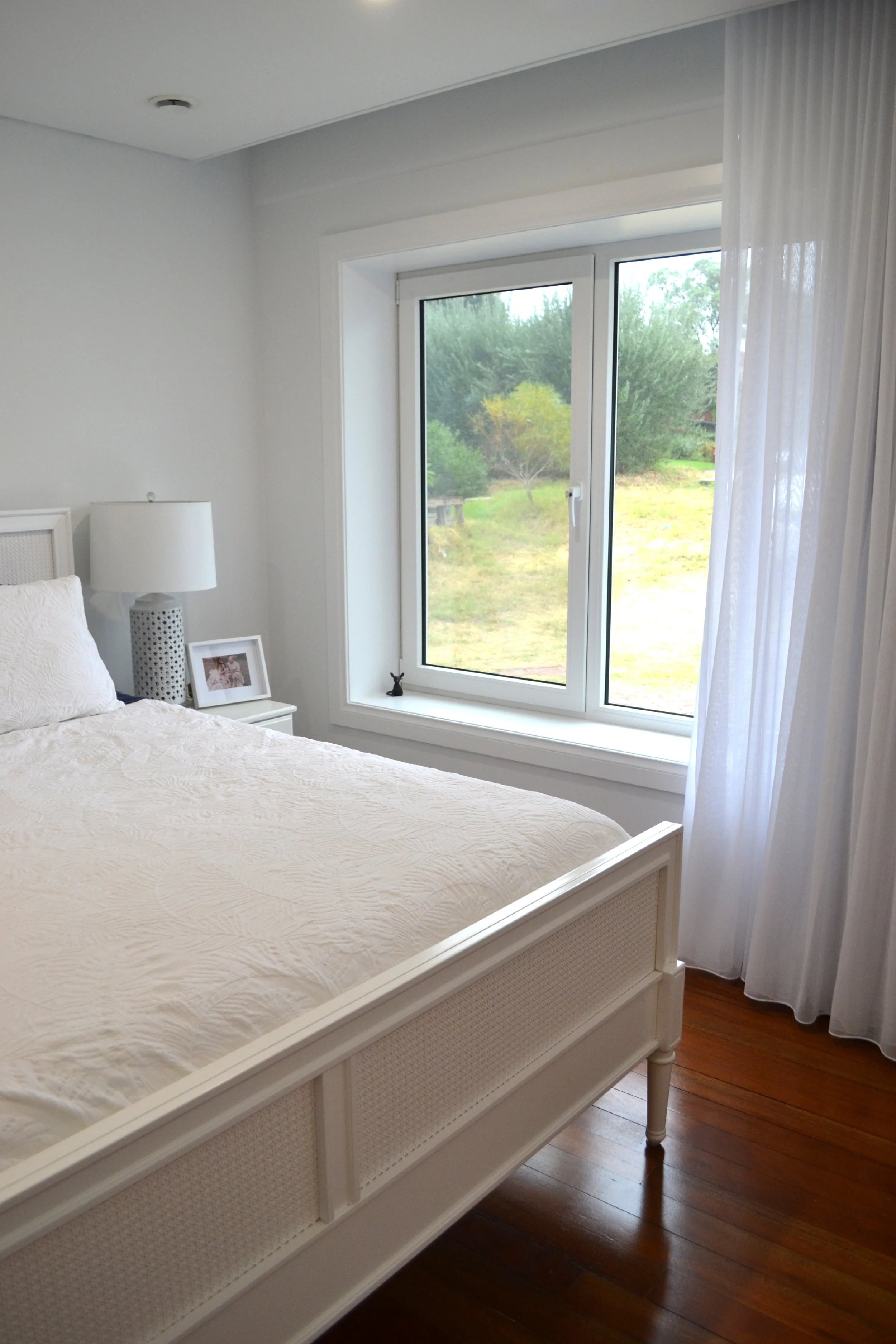
GLAZING TYPE, MANUFACTURER, U W-VALUE, G-VALUE, U G-VALUE: UPVC Double Glazed, Aluplast IDEAL 4000S, 1.47 W/(m2K), 0.44, 1.19 W/(m2K)
EXTERNAL DOOR TYPE, MANUFACTURER, U D-VALUE: UPVC, Aluplast IDEAL 4000S, 1.458 W/(m2K) -
NUMBER OF MODULES: 24
HEIGHT, WIDTH OF ONE MODULE (m, m): 1.75m, 1.050m
-
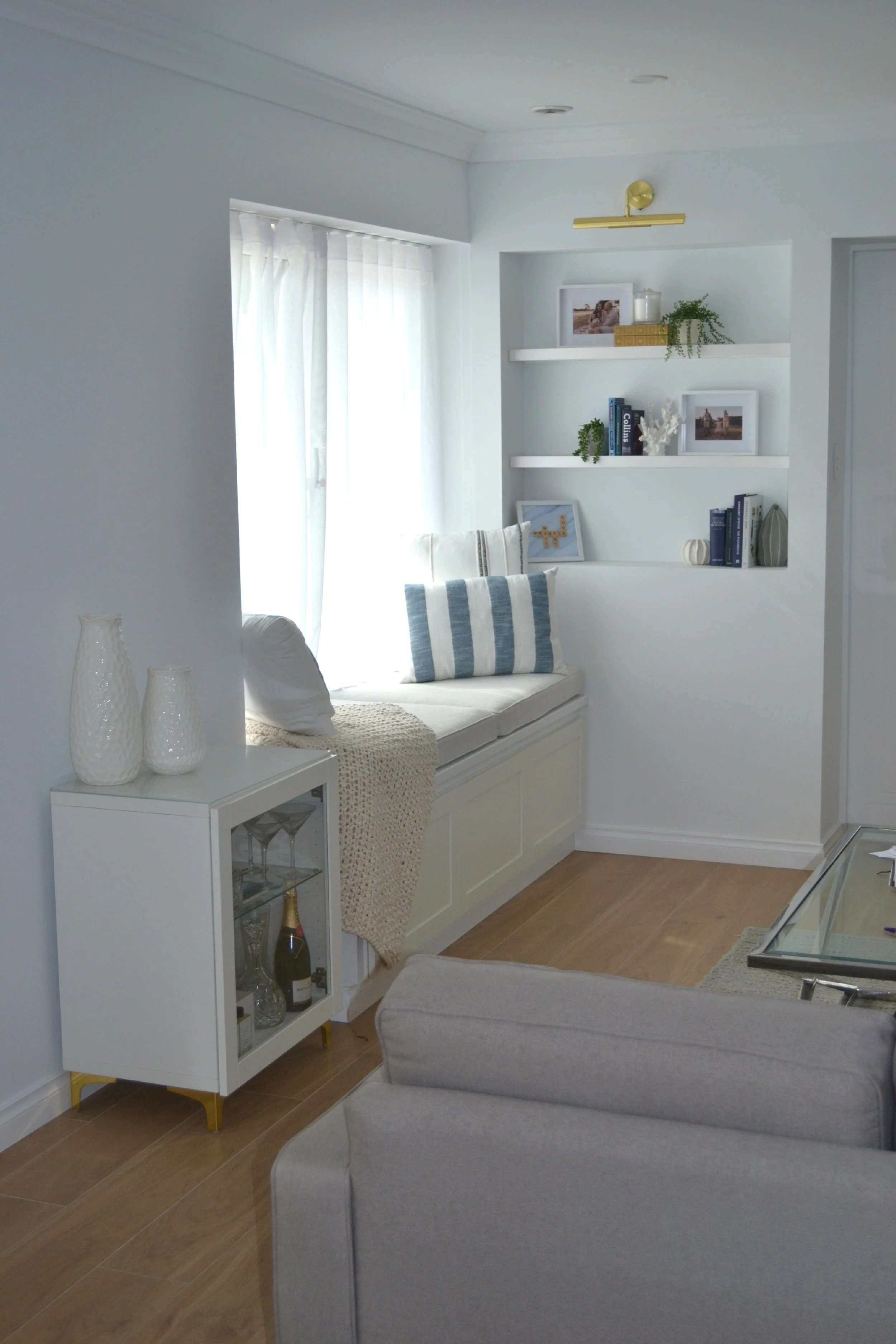
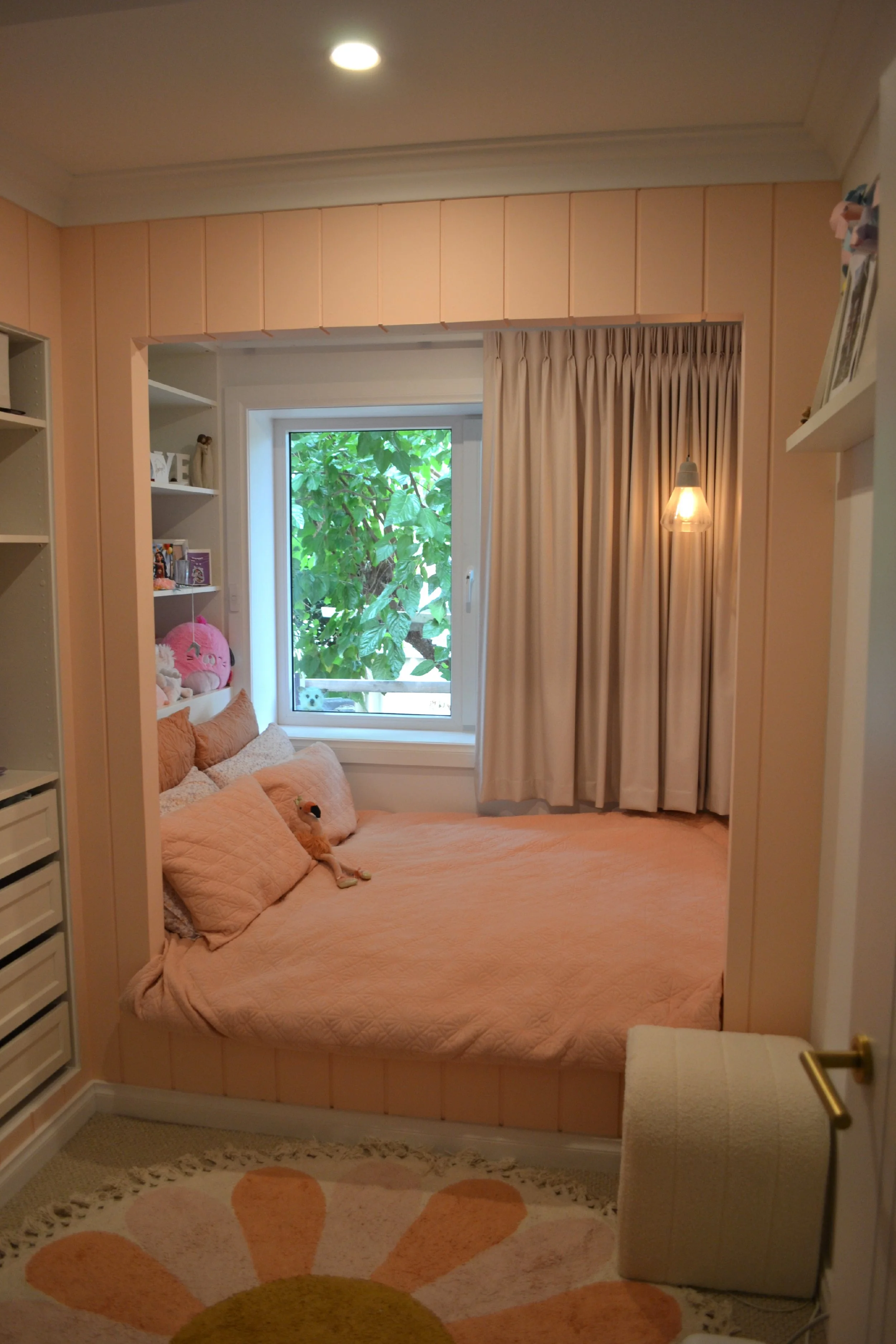
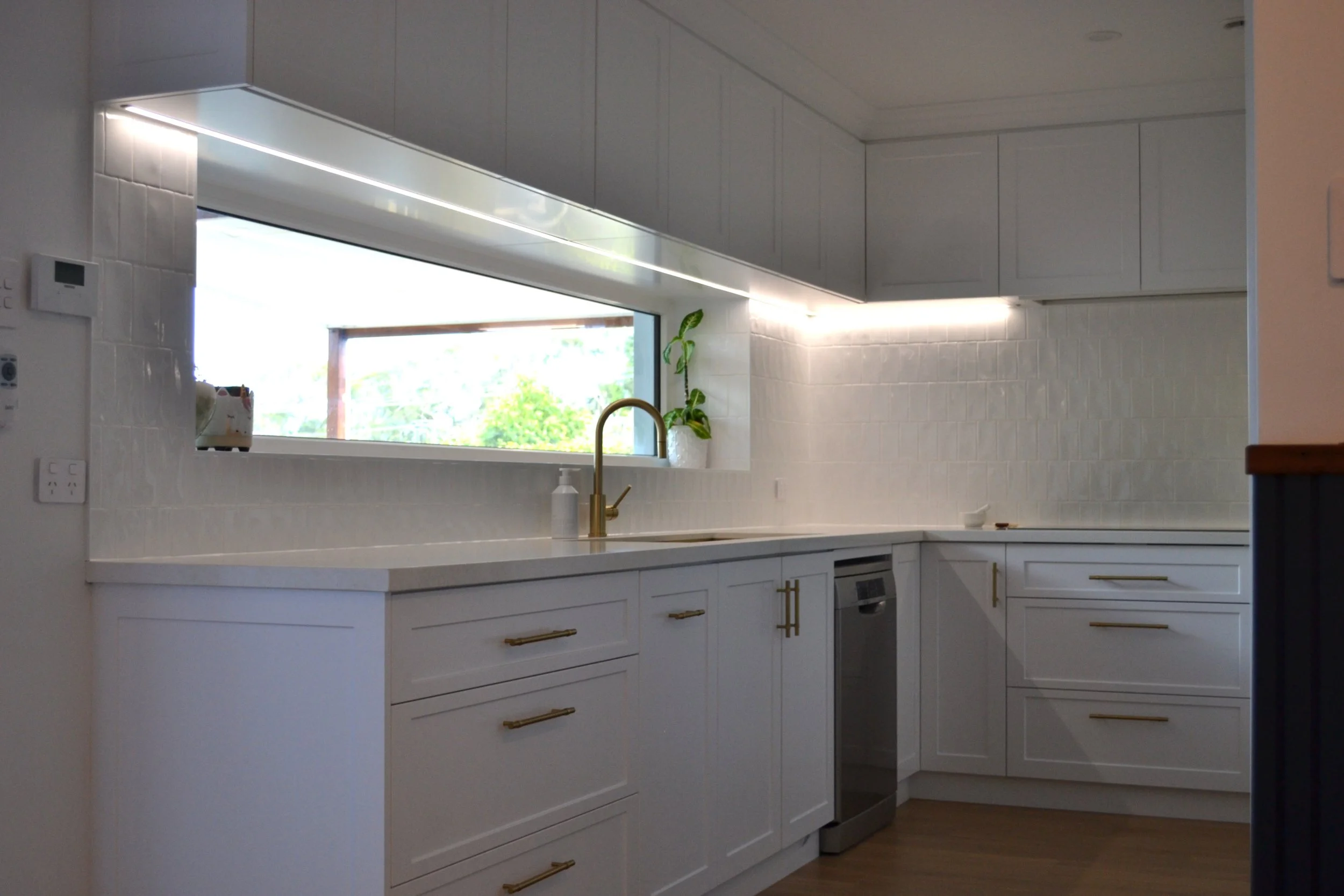
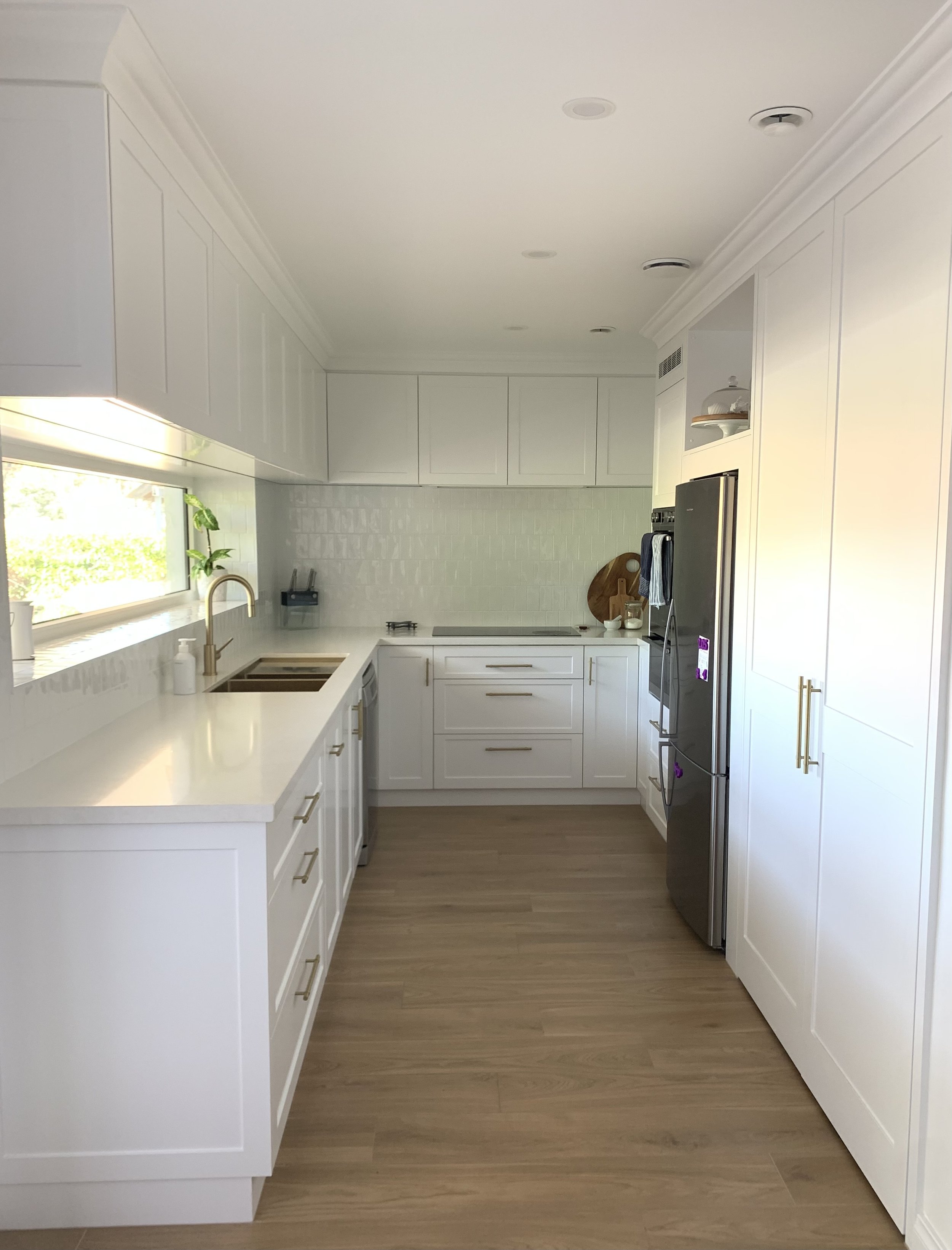
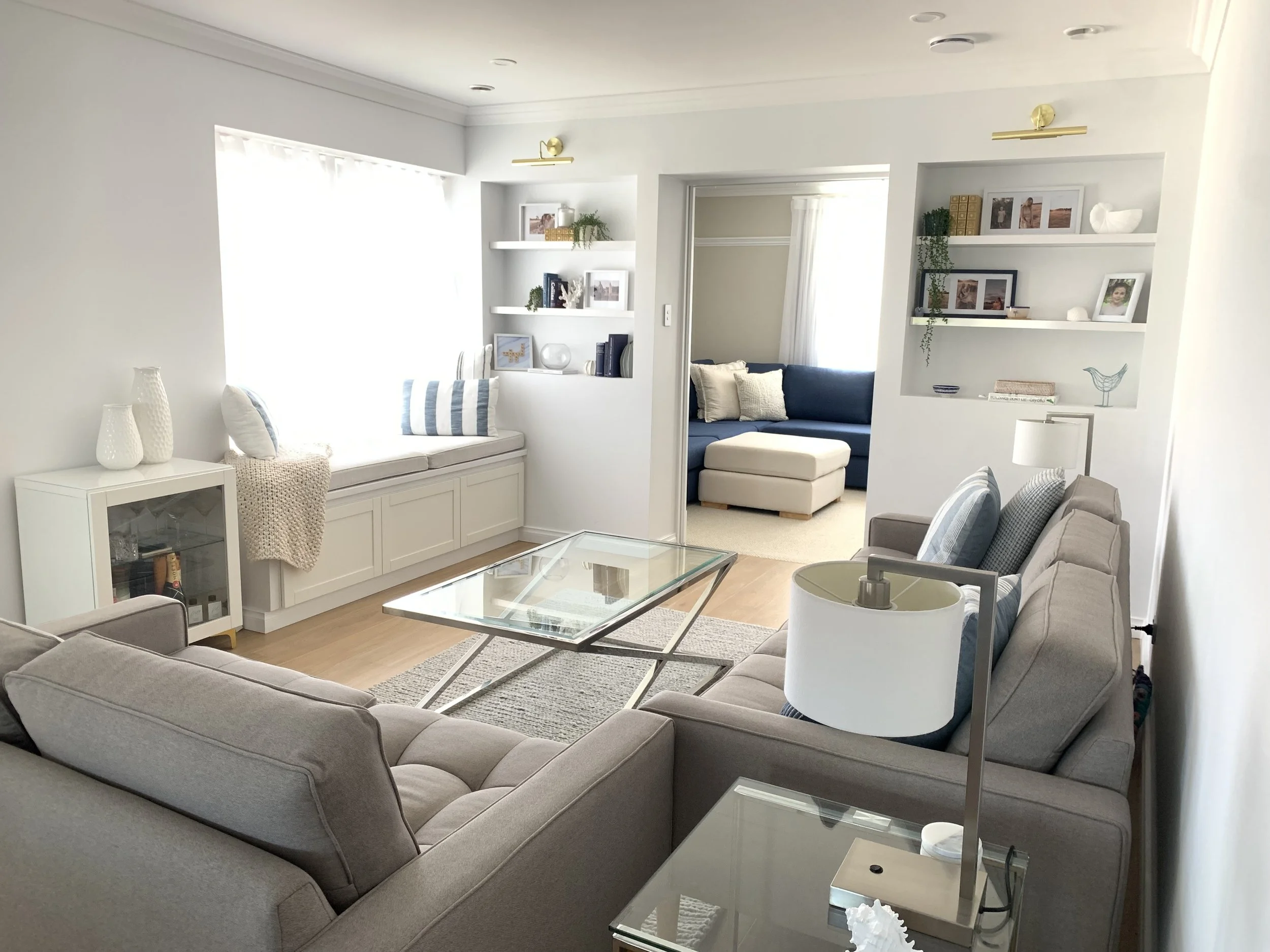
The deep window reveals were used as architectural features; a built-in bookshelf and window seat created a reading nook and additional seating in the family room, and a two-metre shelf-sill sits behind the kitchen sink.
Hydraulic jacks were employed to lift the existing roof structure allowing the builders to save and reuse the native hardwood roof. Focusing on the thermal envelope the builders wanted to avoid petrochemical materials; by reducing adhesives and substituting nails for screws in the external cladding and roof tiedowns, they kept deconstruction in mind.
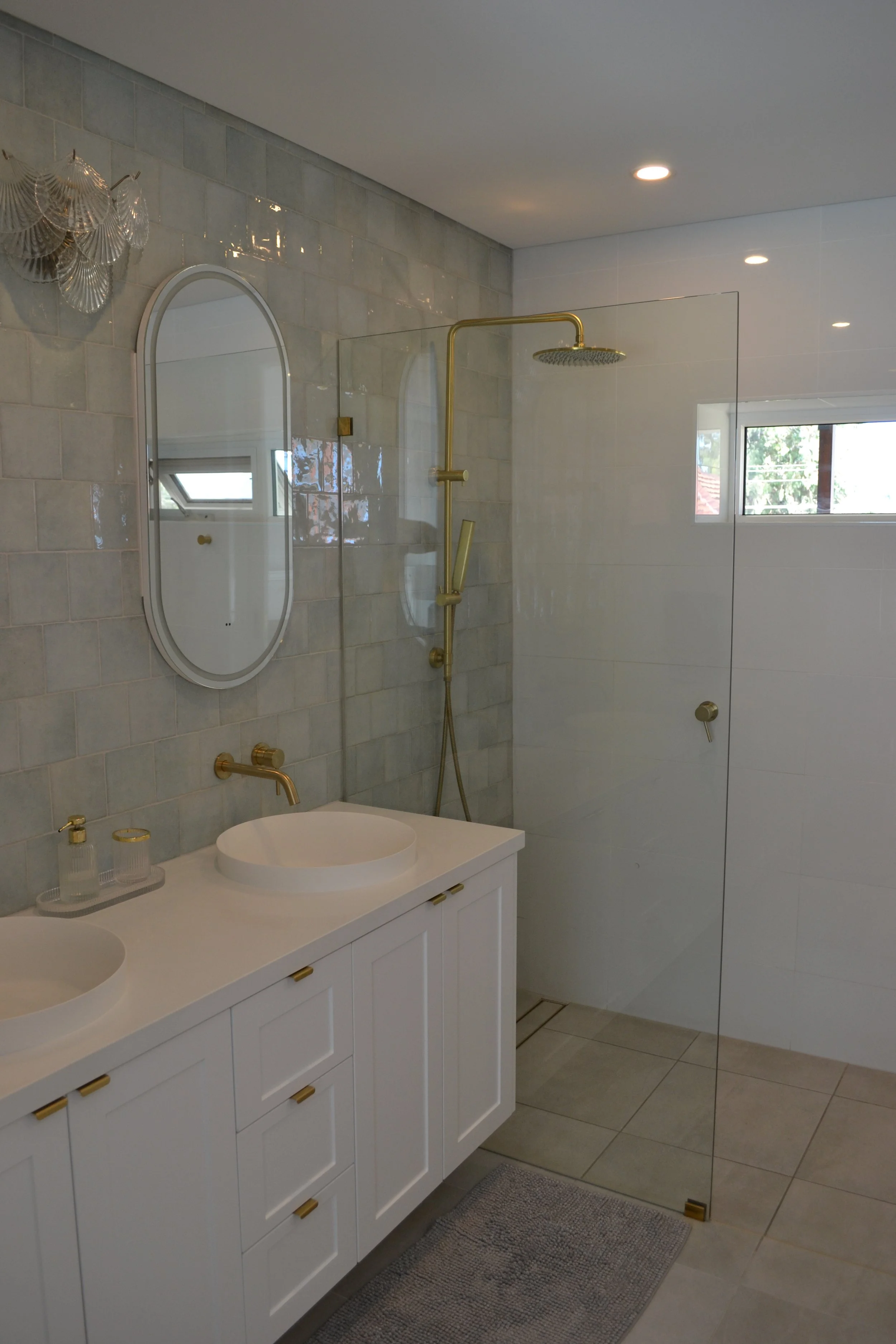
Despite the protracted lack of roof cover the builders managed to protect, in their original condition, the solid hardwood floors of the main bedroom (former living) and study (former bedroom). The main bathroom had been recently renovated so the floor tiles and half of the wall tiles were left as is.
They attempted to reuse, sell/ give away to others for reuse, or downcycle as many materials as possible- the existing cedar windows, air conditioning unit, pergola roof sheets, and hardwood timber that came out of the house were collected by locals, and anything else that could be recycled was.
The old timber pergola has been reused into regenerating existing balustrade and a new tree house. The external timber frame thermal envelope was used as a roof tie down upgrade, typically when changing roof cover from tiles to tin the roof would need to be upgraded this would incorporate steel rod and J bolts. Incorporating this additional structural requirement meant that additional steel could be removed from the design
-
The glazing contractor went insolvent- twice- during the build. As the window selection and installation is such a critical part of the project, when selecting a glazing team, it is best to play it safe, and do your due diligence on their capabilities and past-performance.
Reducing the home’s cooling and heating loads to Passivhaus requirements meant that the HVAC system fell outside the boundary of the current Australian Standards; the design and installation of this smaller system did require additional resources which we justified by using less refrigerant.
Building during COVID was incredibly difficult. The lack of materials and available tradespeople greatly impacted the timeline of the project- the home was without roof cover for the better part of a year.
When planning a building scope the team allow for flexibility in the schedule for unnecessary or ‘nice to have’ features to come in or out of the scope pending conditions. The benefit of the time-lag was the ability to carefully research interior choices before committing.
Project Members
PASSIVHAUS CERTIFIER: Detail Green
PASSIVHAUS CONSULTANT/ DESIGNER: Passive Analytics
ARCHITECT/BUILDING DESIGNER: Luke Kellet / GoEco W.A.
BUILDER: GoEco W.A.
STRUCTURAL ENGINEER: Prompt Engineering
HRV SUPPLIER/ AIRTIGHTNESS MEMBRANE SUPPLIER: Healthy Building Solutions
INSULATION SUPPLIER: Insulation Extract
BLOWER DOOR TESTER: Energy Efficiency Perth
PHOTOGRAPHER: Matthew Mondello