

Gardenhaus
Residential: Single Dwelling
EnerPHit Certification
Coogee, NSW, 2024
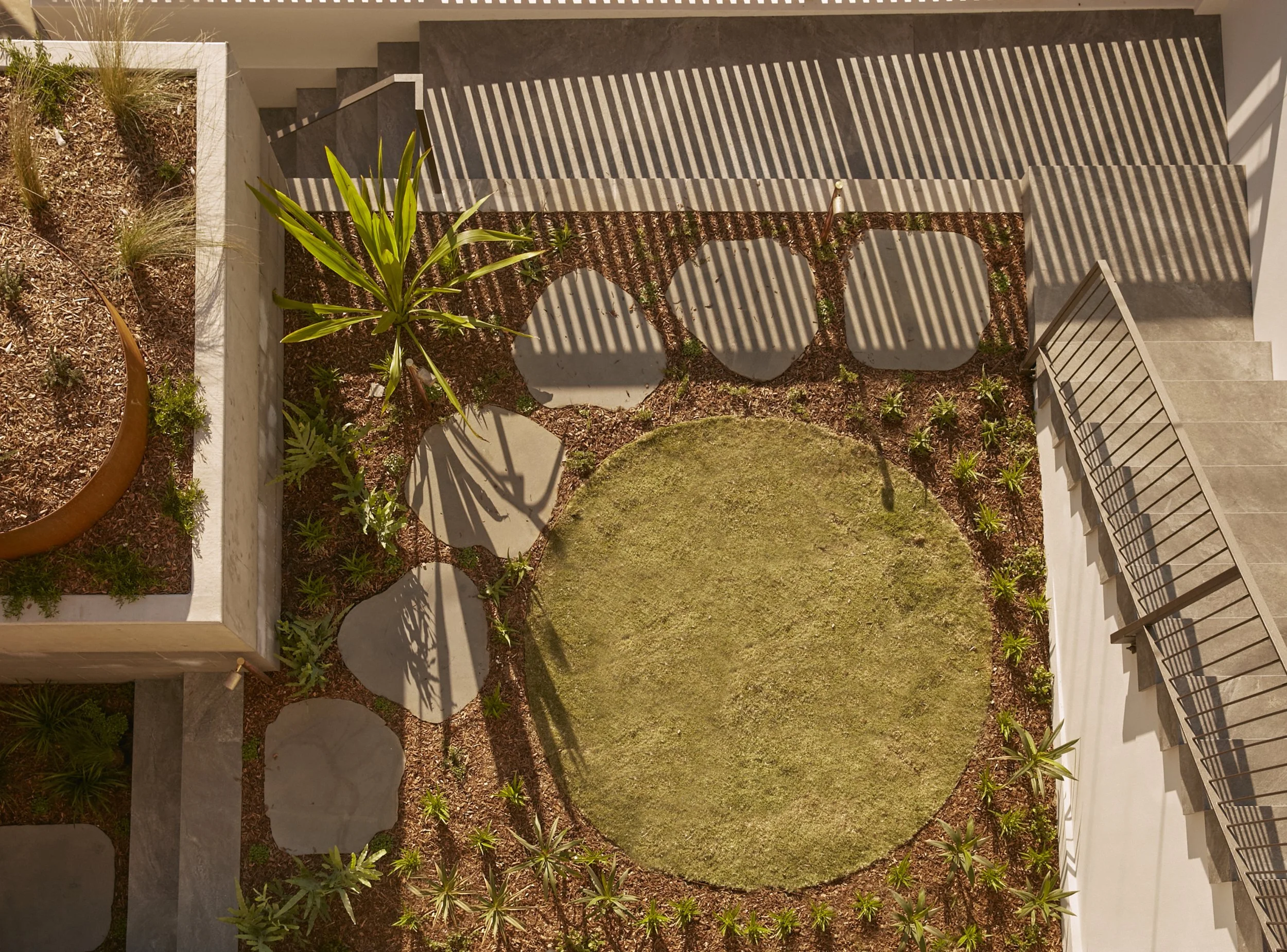
Gardenhaus was a refreshing brief, specifically asking for a bigger garden and reduced house footprint alongside taking advantage of water views.
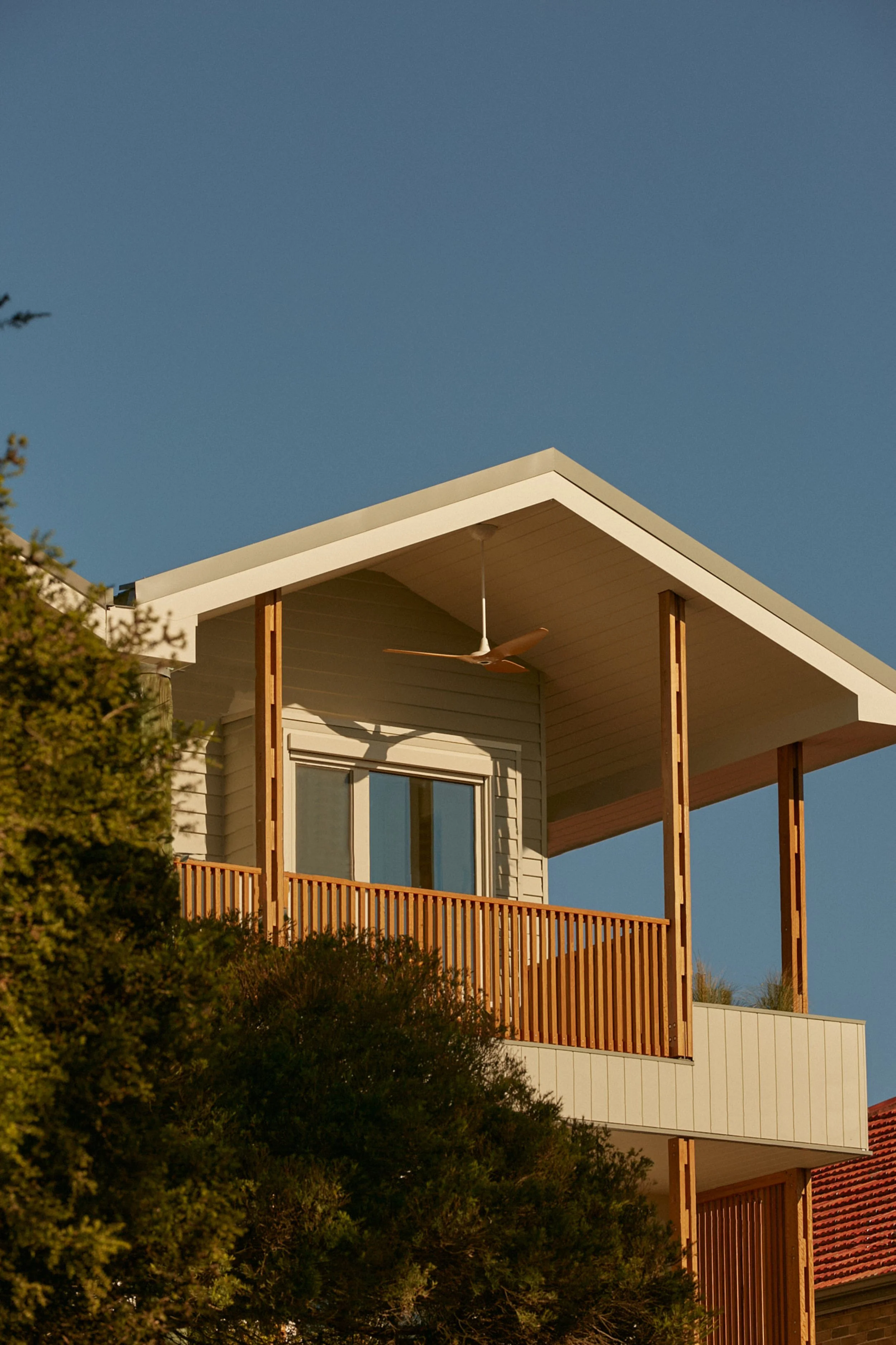
They sought a modest sized, light filled family home with the bedrooms and bathrooms deliberately kept small. With glimpses of the ocean from the existing front deck, a first floor addition afforded a vista down the street towards the ocean and connection to the sky.
Located in a relatively quiet residential street within walking distance to the beach, the existing semi-detached brick house was the much smaller twin of the pair. Despite enjoying a northerly aspect, the existing dwelling had very little natural light or sun and was poorly connected to its garden.
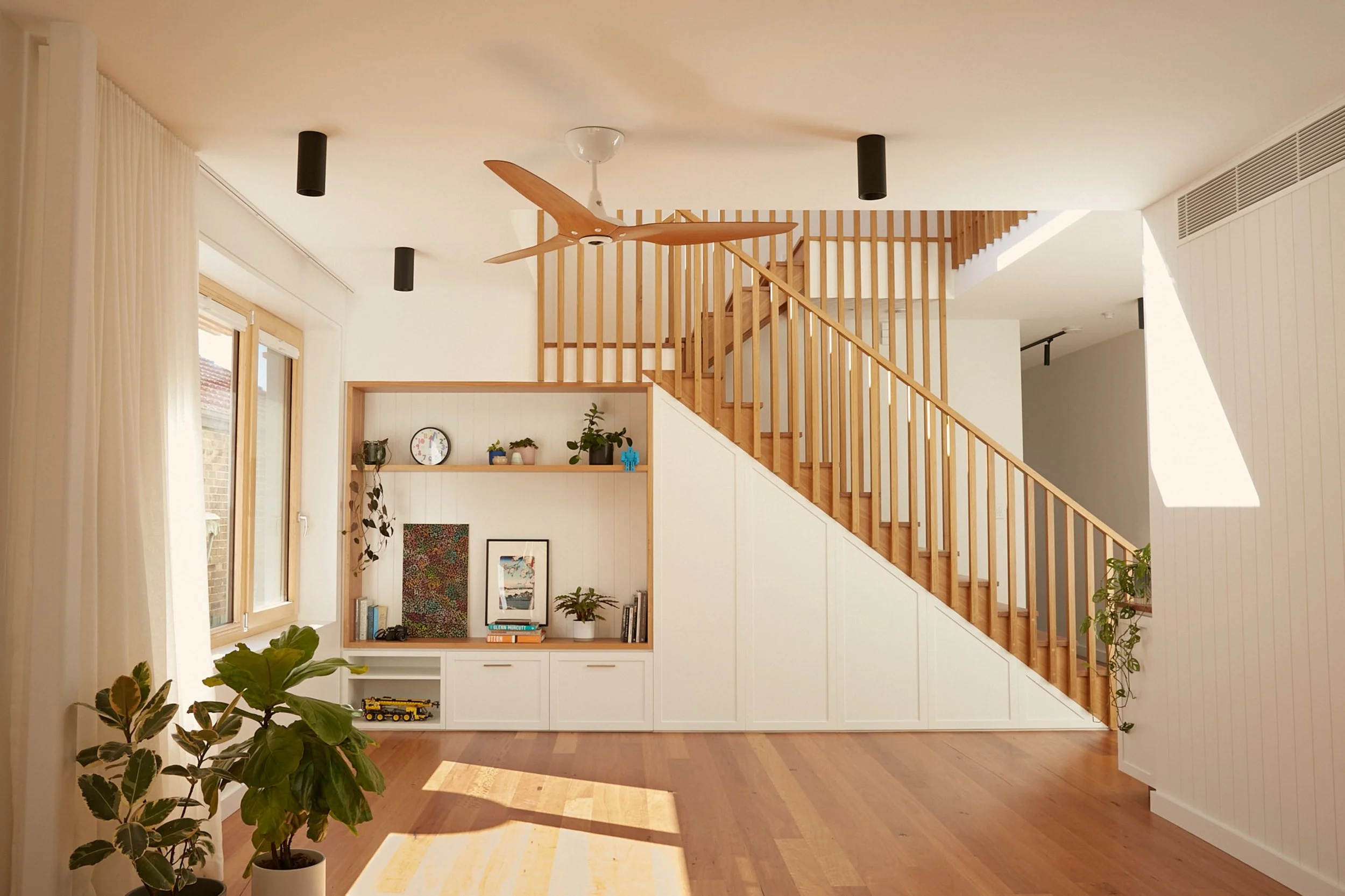
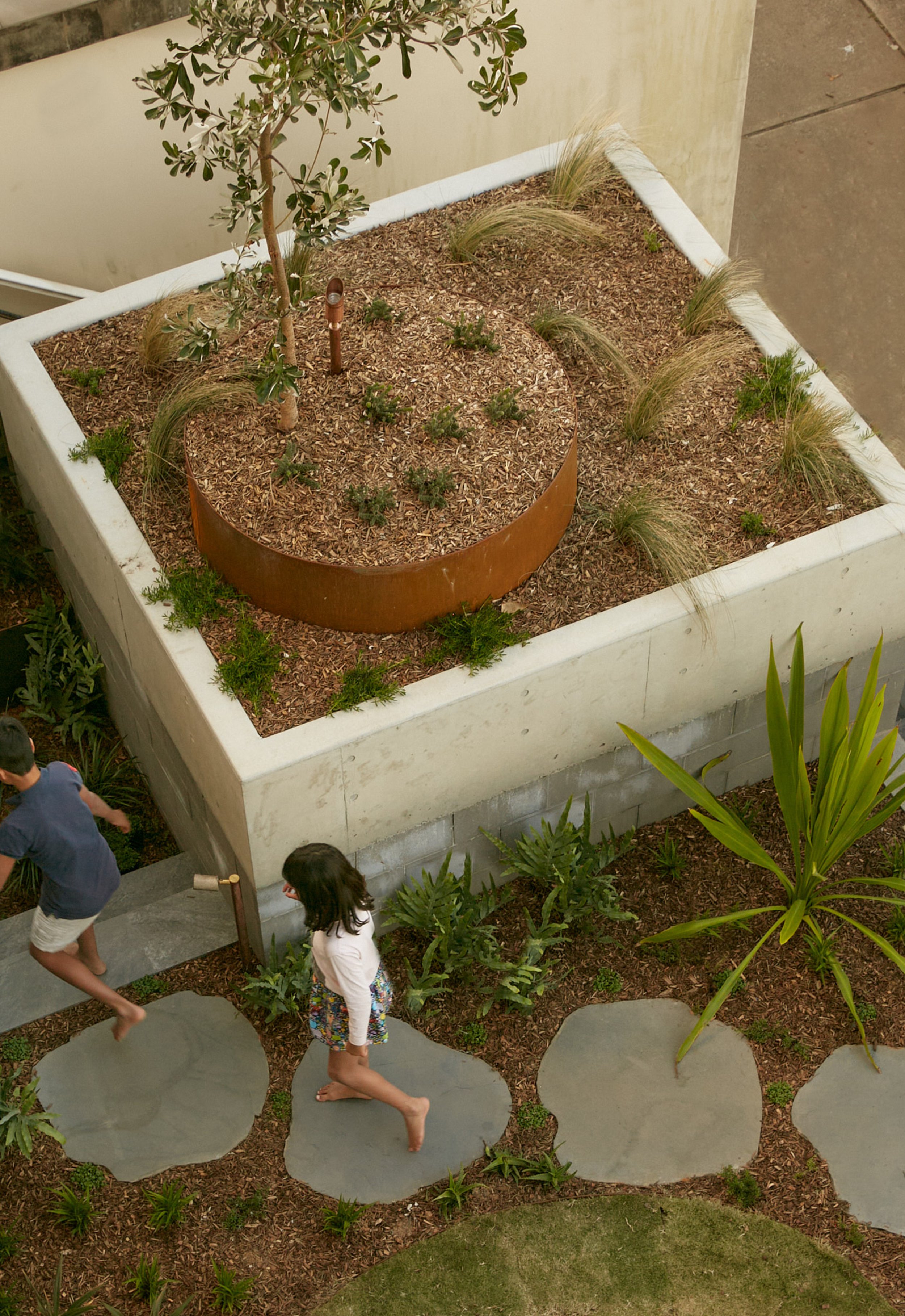
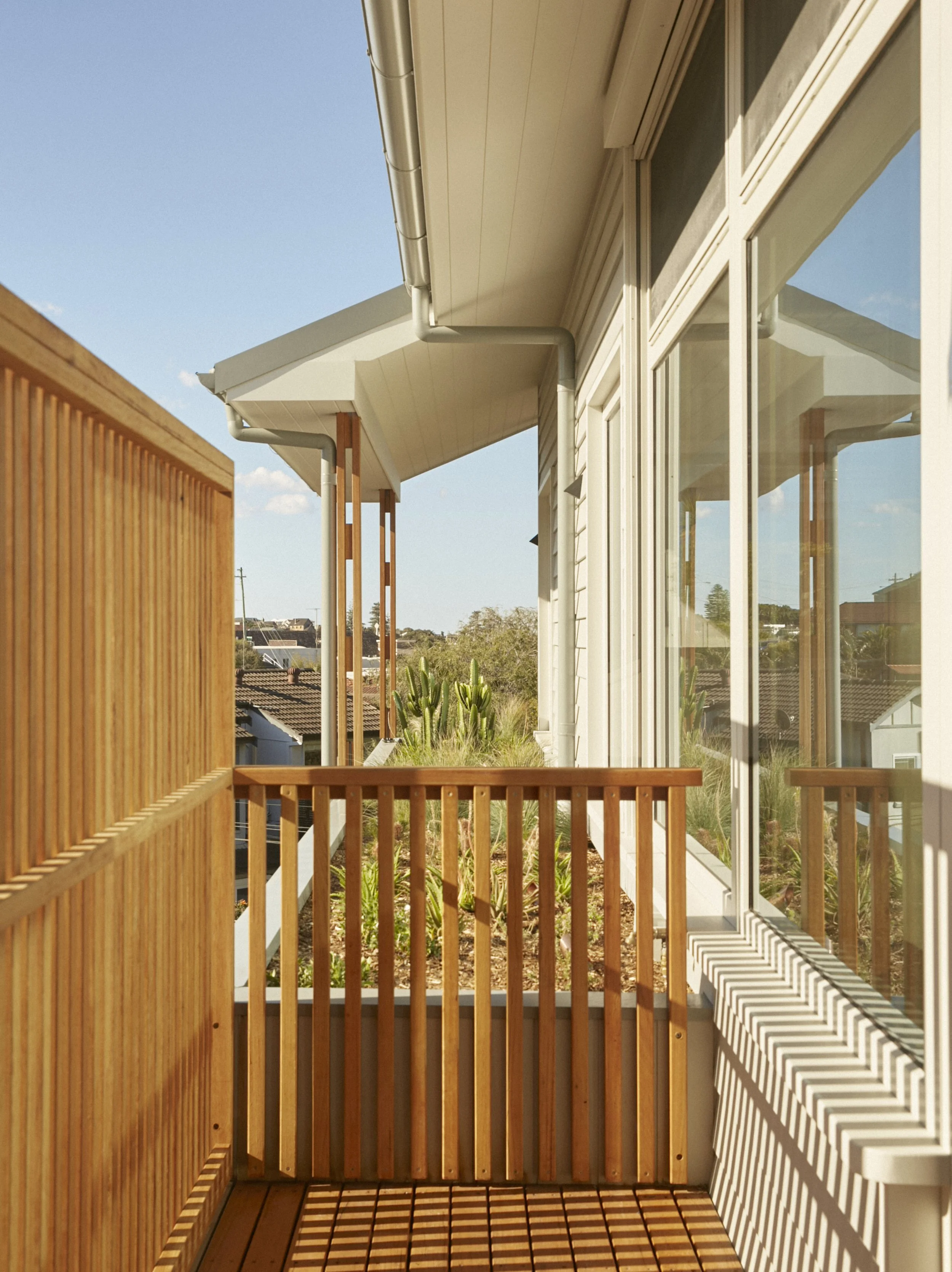
The result is a modern, light filled, energy efficient residence suitable for a young family, with an open beach house feel. An increased garden area and supplementary roof gardens filled with native planting, afford increased visual connection to the outside whilst providing privacy. This is framed by huge double glazed doors and windows that allow the house to be thrown open to the garden and sea breezes, whilst also efficiently thermally and acoustically isolating the internal environment when the outside conditions are undesirable.
-
AIRTIGHTNESS n50 ACH@50pascals: 1.0 (EnerPHit)
HEATING DEMAND (kWh/m².yr): 6
COOLING DEMAND (kWh/m².yr): 9
HEATING LOAD (W/m²): 10
COOLING LOAD (W/m²): 15
PRIMARY ENERGY DEMAND (PE) (kWh/m².yr): 126
PRIMARY ENERGY RENEWABLE DEMAND (PER): 59
PRIMARY ENERGY RENEWABLE GENERATION (PER): 113 -
LOCATION: Coogee, NSW
NCC CLIMATE ZONE: 5 – Warm temperate
NATHERS CLIMATE ZONE: 56
YEAR OF COMPLETION: 2024
TREATED FLOOR AREA (PHPP sqm): 169.8
PROJECT TYPE: Retrofit
SECTOR: Residential: Single Dwelling
CONSTRUCTION TYPE: Timber Frame, Existing masonry walls with new insulation added
CERTIFICATION LEVEL/ ENERGY STANDARD: EnerPHit -
MHRV SYSTEM: Zehnder ComfoAir Q350 TR + HEPA filter Housing for smoky or low air quality days
DOMESTIC HOT WATER SYSTEM: Reclaim REHP-CO2-315GL (315 Litre) (split heat pump)
EXTERIOR WALL TYPE, U-VALUE: Existing walls rendered double brick with 70mm internal insulation and stud framing at 450cc and service cavity. New walls 140mm insulated timber frame with service cavity, Average - 0.33 W/(m2K)
FLOOR SLAB TYPE, U-VALUE: Existing suspended timber floor with insulation & new concrete slab with above insulation, Average - 0.38 W/(m2K)
ROOF INSULATION TYPE, MANUFACTURER: R3.5 Bradford Gold batts
ROOF CONSTRUCTION: Timber frame, Proclima Mento Plus weather resistive wrap with above sheathing ventilation and Pro clima INtello and service cavity internally.
ROOF ENVELOPE U-VALUE: 0.25 W/(m2K)
WALL FRAME TYPE, U-VALUE: Timber, 0.28 W/(m2K)
GLAZING TYPE, MANUFACTURER, U W-VALUE, G-VALUE, U G-VALUE: Aluclad Timber double glazed, Logikhaus, Average - 1.27 W/(m2K), 0.42, Average - 1.06 W/(m2K)
EXTERNAL DOOR TYPE, MANUFACTURER, U D-VALUE: Timber double glazed, Logikhaus, Average - 0.8 W/(m2K) -
NUMBER OF MODULES: 21
HEIGHT, WIDTH OF ONE MODULE (m, m): 1.046m, 1.1812m
HEIGHT OF ARRAY: 1.1m
EFFICIENCY: 96%

-
Despite achieving the EnerPHit Plus standard this house doesn’t feel like a building constrained by building performance. It has big windows connecting it to the garden, the sky and the water and feels light and airy.
The secret is careful management of external shade effectively controlling solar gains, while making use of north facing glass as the perfect heater in winter.
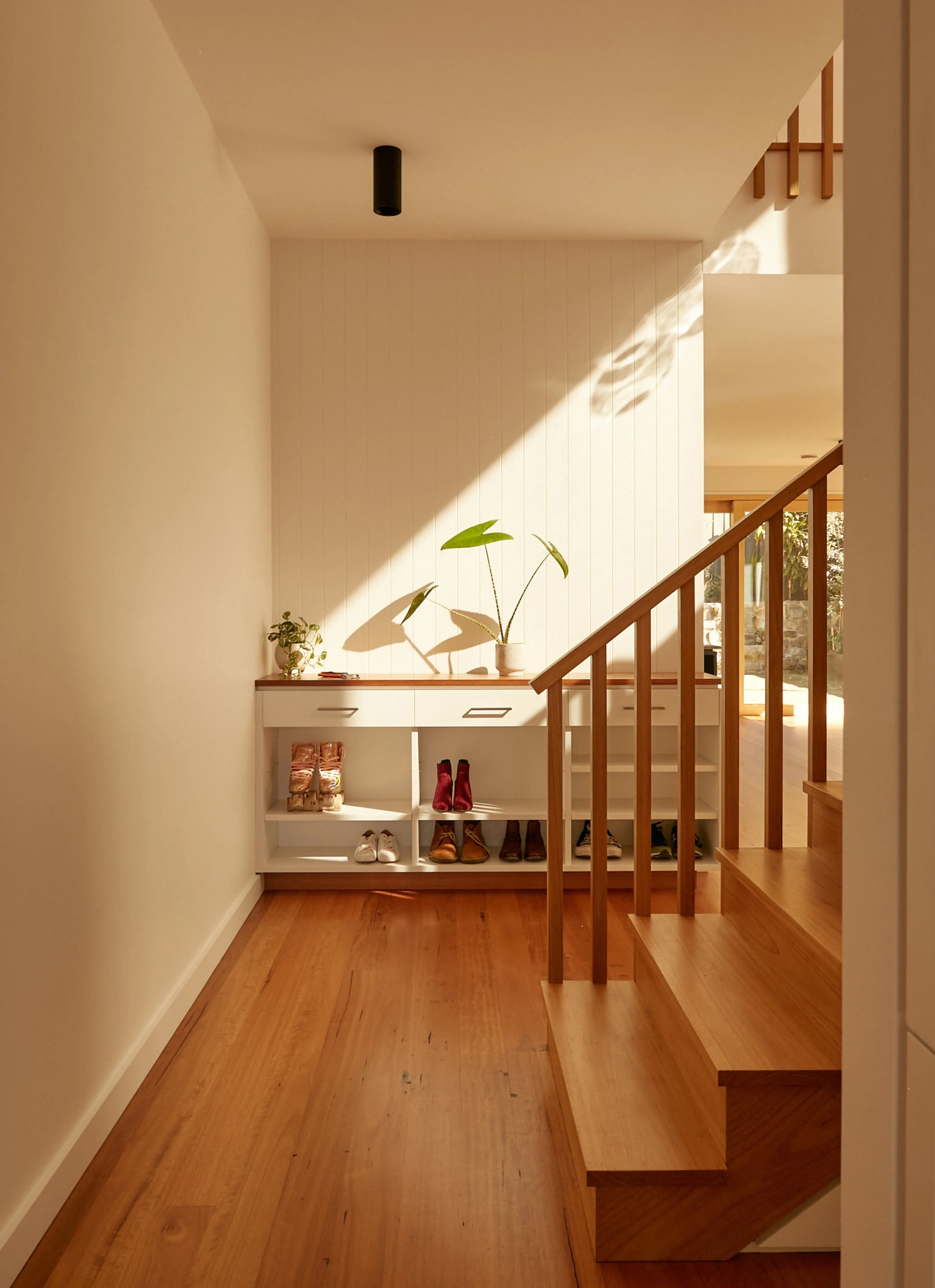
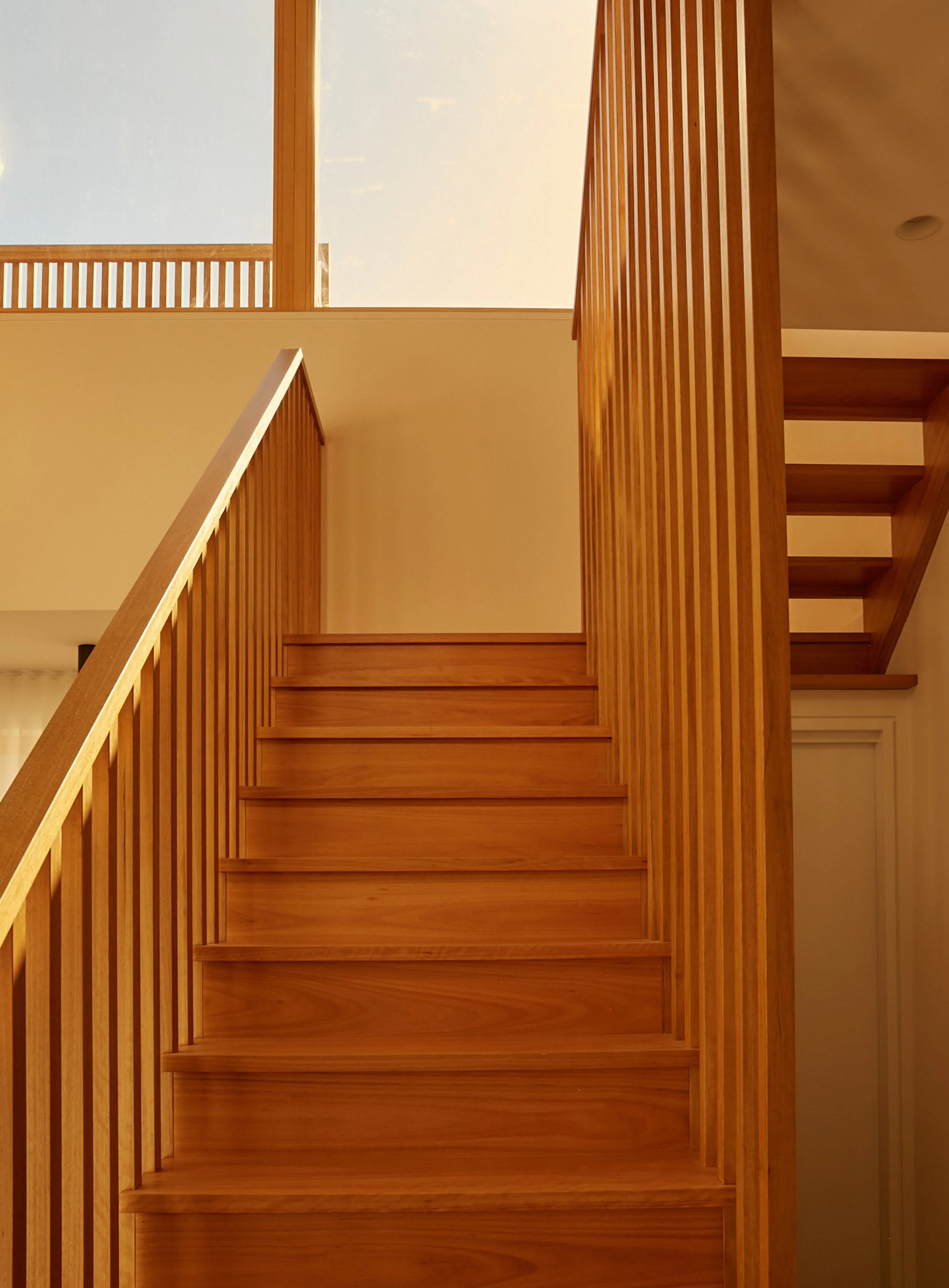
Materials have been selected for their longevity, coupled with their compatibility with the features of the original house, its adjoined neighbour and setting amongst the bungalow style houses of the street. The existing rendered brick walls have been retained with a new insulated stud frame inserted within. Old framing timbers were predominantly reused.
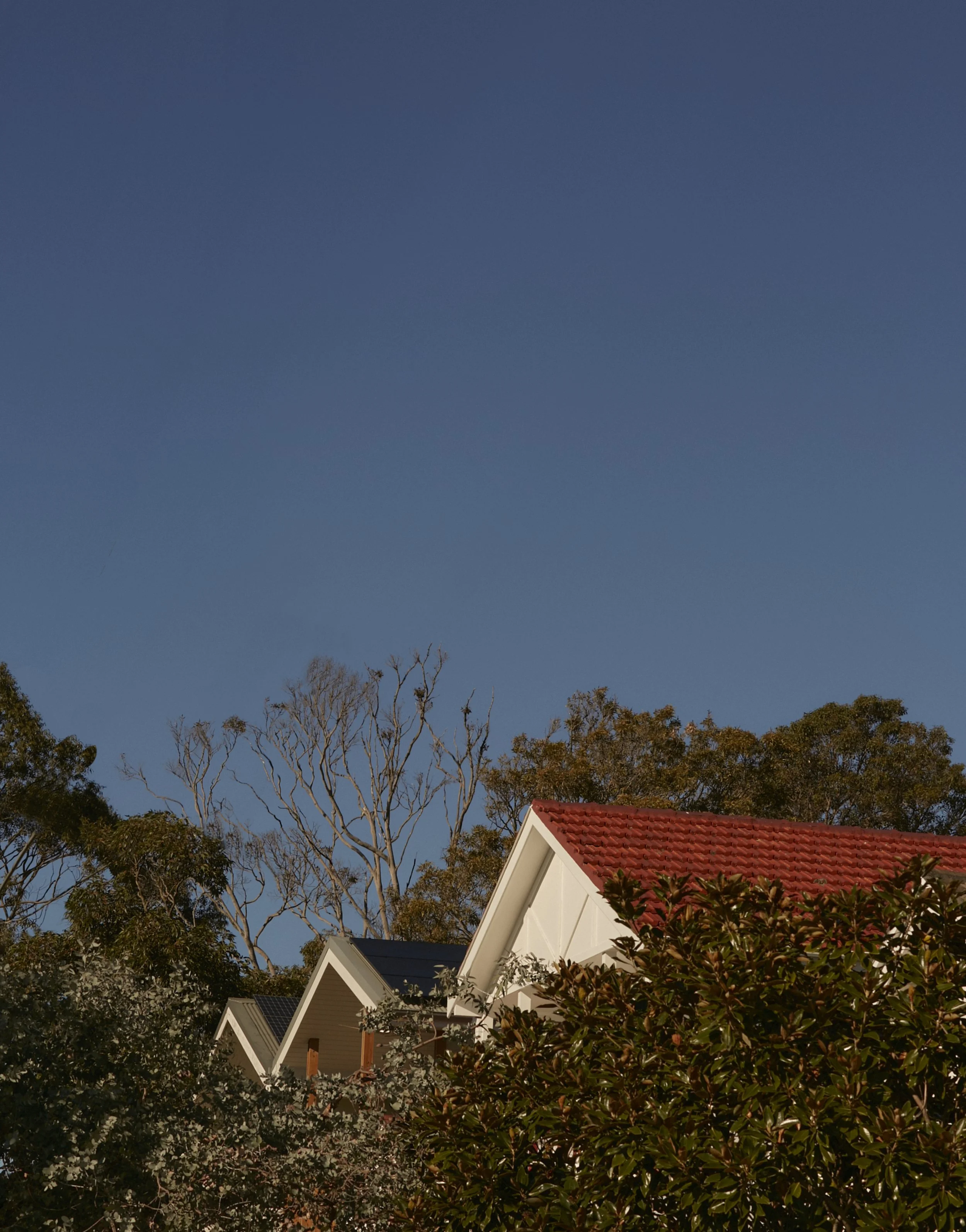
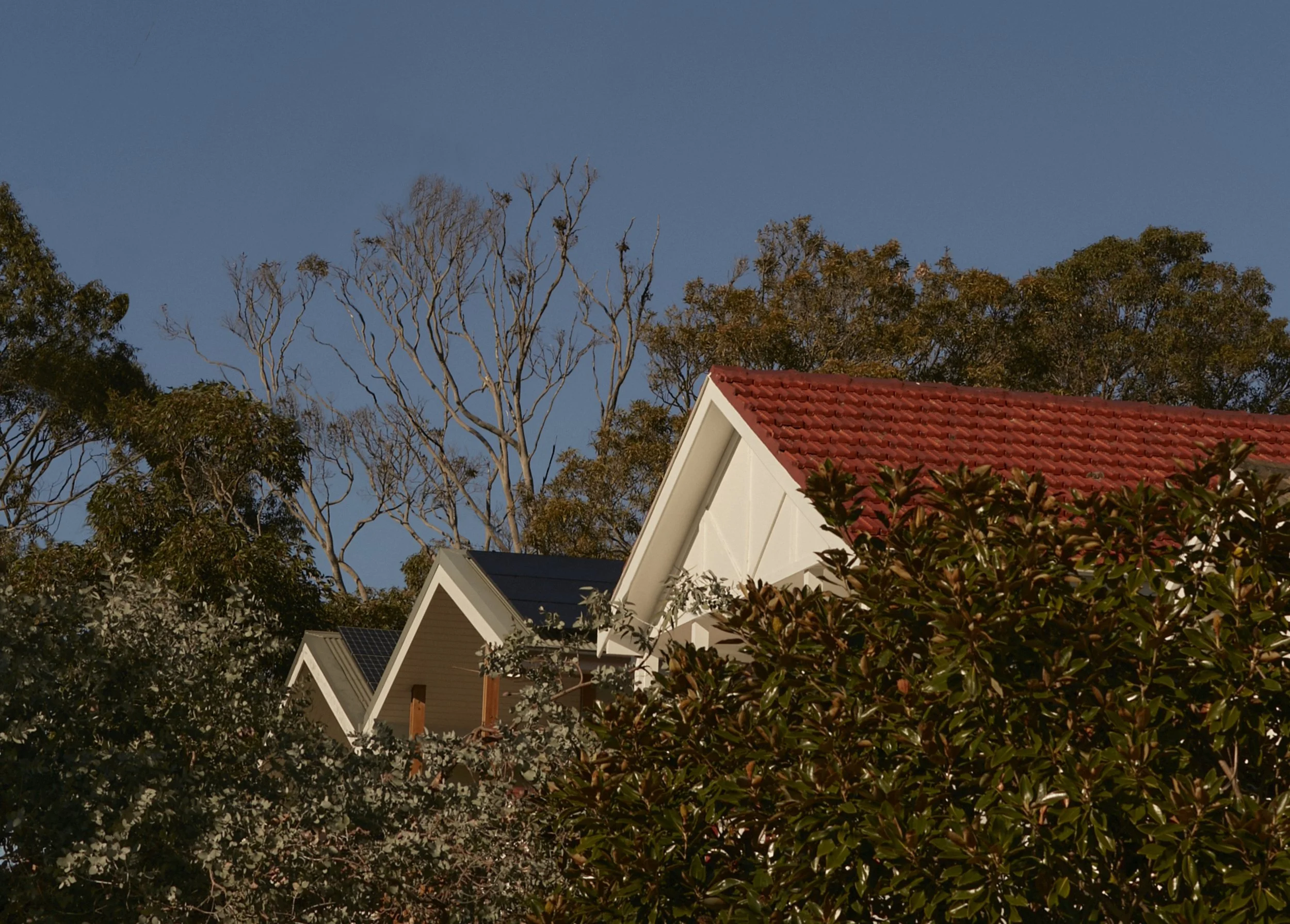
The new first floor addition is clad in painted weatherboards responding directly to the adjoining neighbour, re-establishing the semi-detached houses as a pair. The new addition seamlessly fits into its surroundings as a contemporary interpretation of the pitched gable roof forms of the street.
-
This was the architect’s first Passivhaus retrofit project. The approach taken was to insert a new building inside the existing walls and floor, resulting in a relatively straightforward airtightness and insulation strategy and the opportunity to reuse waste building materials from the demolition onsite. Careful thermal bridge modelling allowed them to make the most of deep walls on the ground floor to create deep window reveals as architectural features.
A key take away for the project team is that next time around less of the existing building fabric can be disturbed and still achieve a viable EnerPHit project. A key challenge was achieving continuity of the airtightness and insulation around the roof gardens while making sure they were adequately supported with minimal steel framing in s the structure. The Gardens are a key part of creating visual privacy between neighbours and allowing them to step the building facade back from the side boundary to create sufficient space to achieve protected north light into the future. Various strategies were explored with the builder before arriving at the final methodology.
A further challenge was the need to build the building in such a way that it did not place loads on the adjoining party wall. The design minimised the amount of steel in the structure down to two portal frames, kept entirely within the building envelope and relying on ply braced internal walls and large LVL (plywood) beams to transfer structural loads appropriately to the ground. Steel column bases were kept within the insulation layer to suitably minimise thermal transfer via the footing.
The team experienced that in retrofit projects airtightness is key. No matter how well insulated or detailed the building is and how many solar panels, until you achieve 1.0 ACH@n50 it's not a Passivhaus.
Project Members
PASSIVHAUS CERTIFIER: Detail Green
PASSIVHAUS CONSULTANT/ DESIGNER/ ARCHITECT: Linden Thorley Architects
CONTRACTOR/BUILDER: Red Cedar Constructions Pty Ltd
STRUCTURAL ENGINEER: Cantilever Studio
PROJECT MANAGER/ ENVIRONMENTAL CONSULTANT: Linden Thorley Architects
WINDOW SUPPLIER: Logikhaus
HRV SUPPLIER: Fantech
AIRTIGHTNESS MEMBRANE SUPPLIER: Proclima
INSULATION SUPPLIER: Bradford/Knauf
ROOFING SUPPLIER: Colorbond
BLOWER DOOR TESTER: Peter Shea (preliminary tests) & Stefan Perumal
LANDSCAPE: Secret Gardens
PHOTOGRAPHER: Timothy Salisbury