

Glover Passivhaus



Residential: Single Dwelling
EnerPHit Certification
Willoughby, NSW, 2024
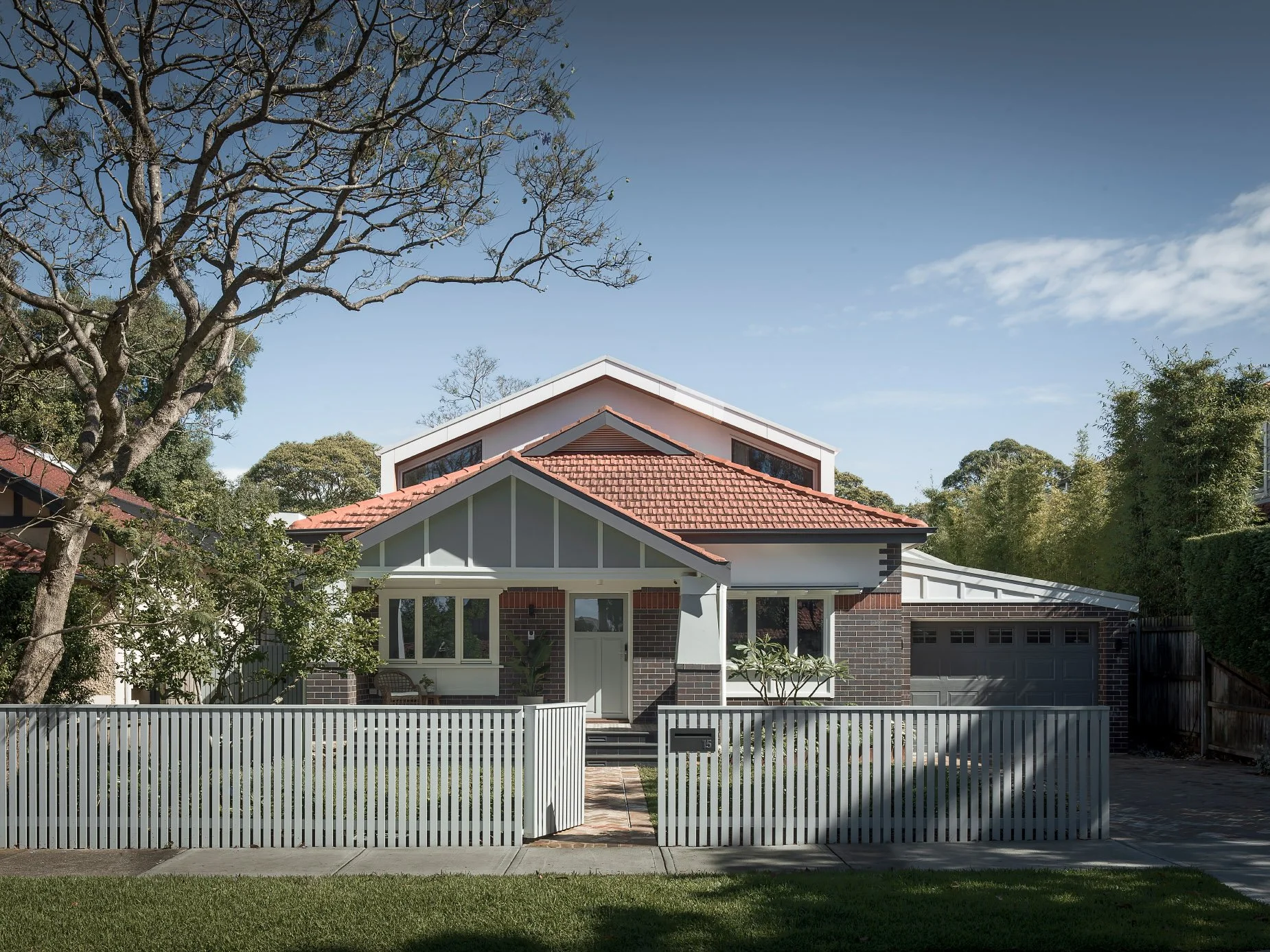
Glover Passivhaus is the result of a considered approach to adaptive reuse, combining modern and traditional building techniques to deliver an ultra-low energy family home that nestles in its suburban context.
When the clients purchased the house, it was in a terrible state of disrepair. The house sat vacant for many years and appeared to be untouched from its original construction, other than a 1960's asbestos lean-to at the rear. The roof leaked and much of the timber was rotten and damp. With a young family, the clients expressed an interest in building a sustainable healthy home that would adapt with the family as they grew. Having spent time in mouldy rental homes that were cold and drafty in winter and hot and humid in summer, they wanted better for their family of three young boys. The designer introduced them to the Passivhaus Standard and without hesitation they jumped at the idea of building a certified Passivhaus.
The designer/architect believes that they have a duty of care to design buildings that sit harmoniously in the surroundings. Too often they see these original homes demolished and replaced with generic dwellings that are not sympathetic to the surrounding vernacular. So, although the house was not located in a heritage conservation area, they encouraged the clients to preserve the original California Bungalow. This presented an opportunity to reduce demolition waste, thus, reducing the carbon footprint of the new home.
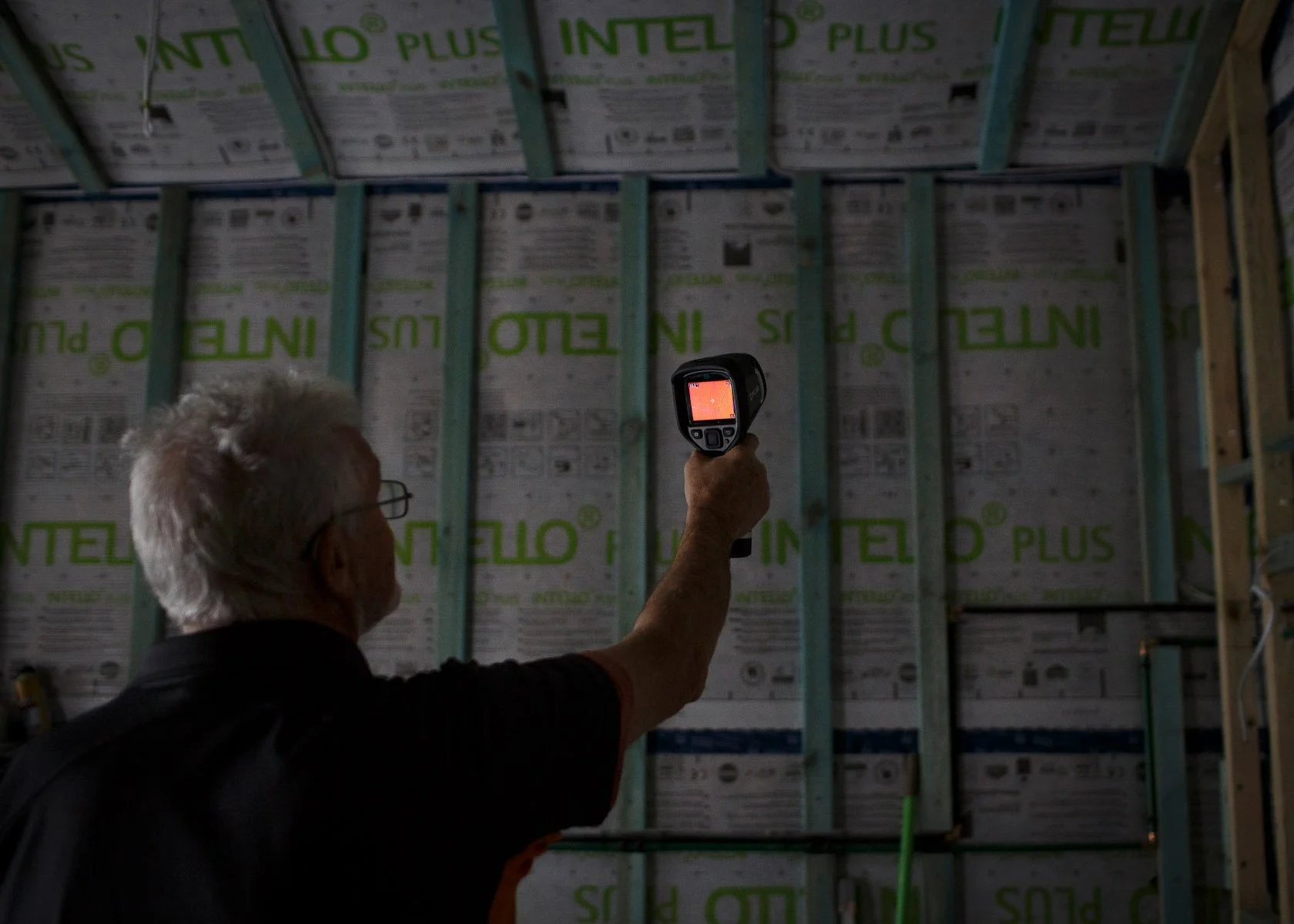
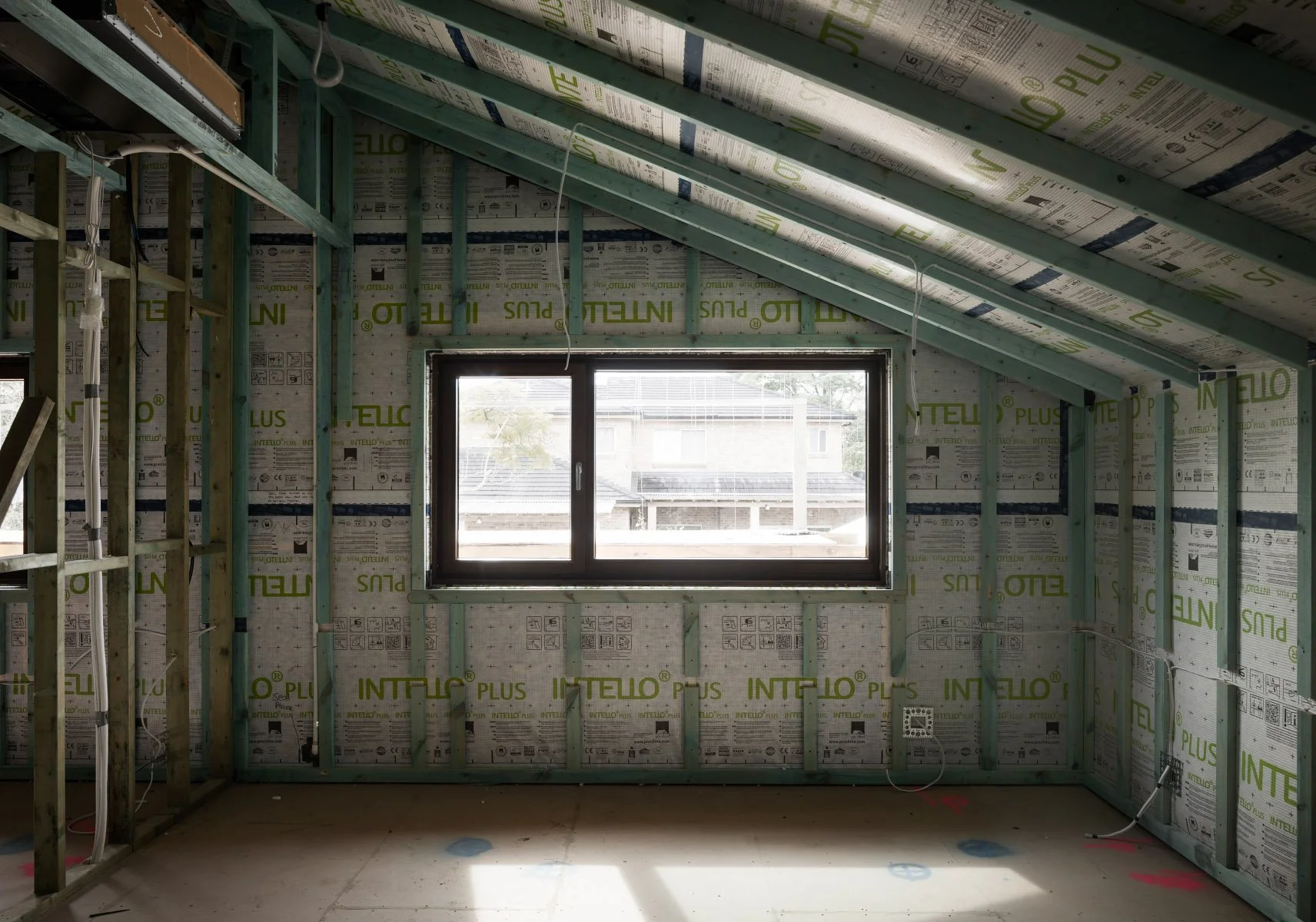
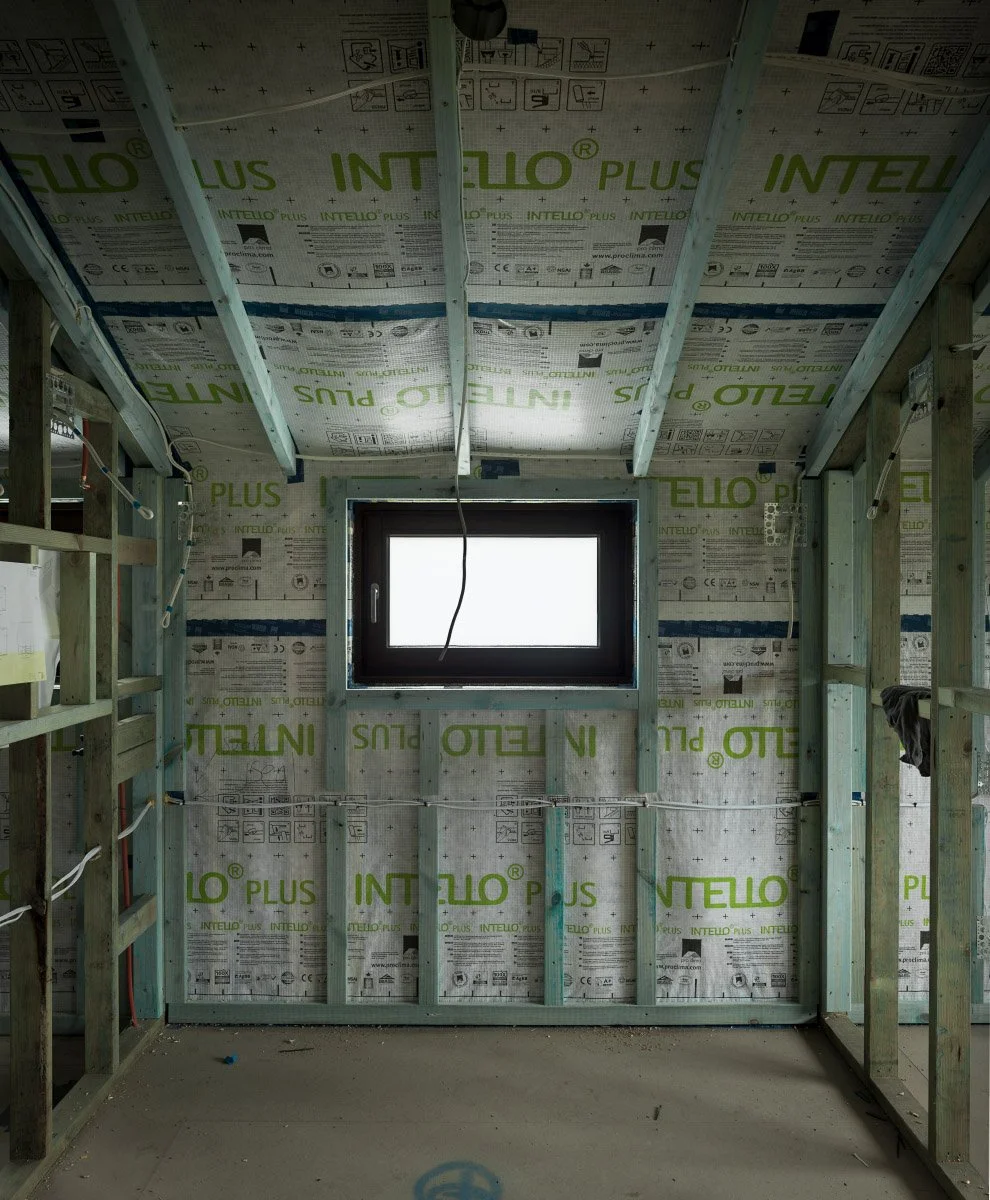
Within the original dwelling no stone was left unturned, the existing floors were strengthened or replaced as necessary then packed with insulation and made airtight. The external brick walls were lined with internal insulation boards and rendered to achieve air tightness. Externally the original brick and sandstone were repointed and cleaned, restoring the original facade to it's former glory. Ceilings were replaced, sealed with airtight membranes and insulated. Old drafty windows and doors were replaced with locally manufactured double glazed airtight units, carefully crafted to mimic the originals.
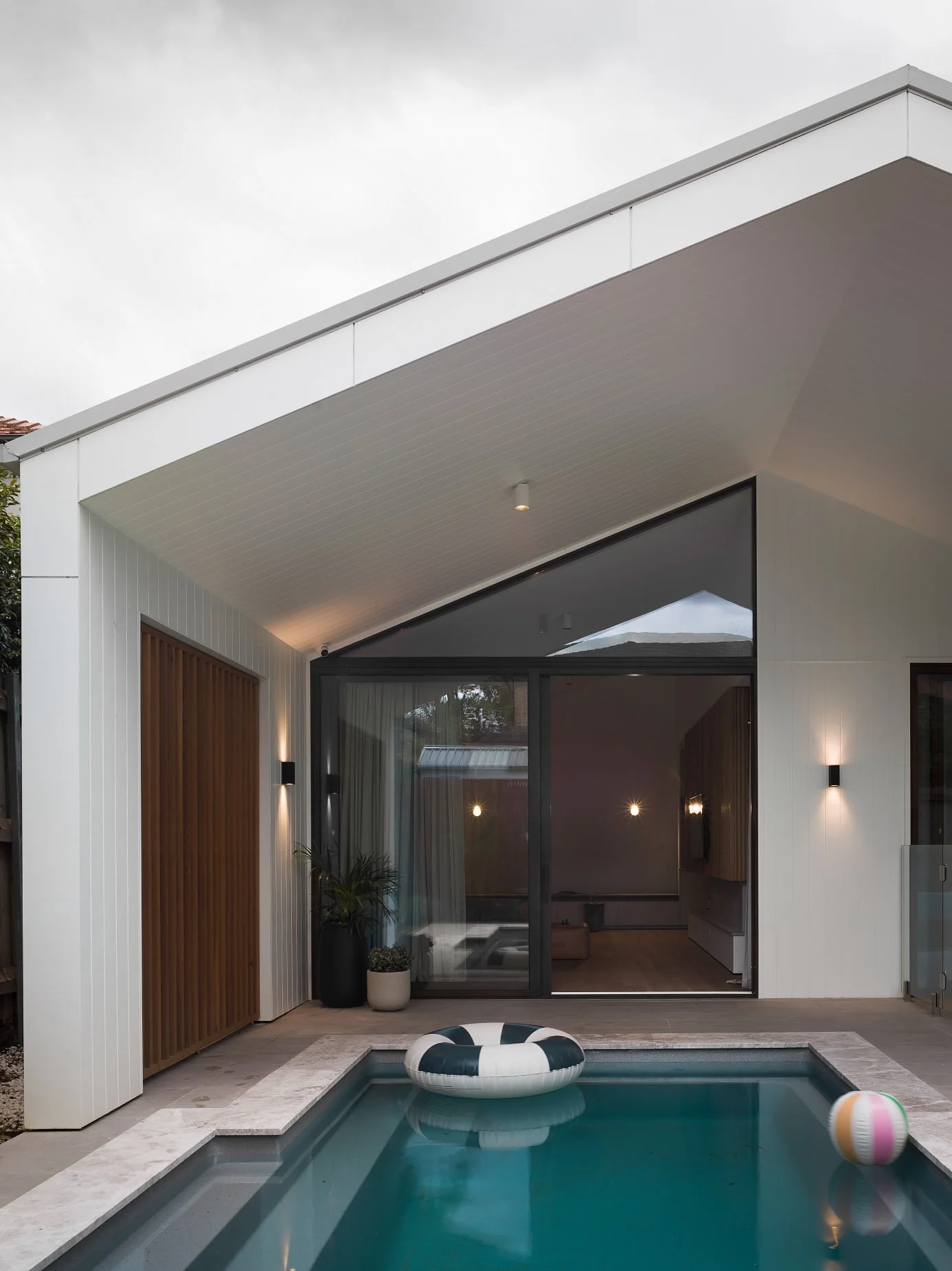
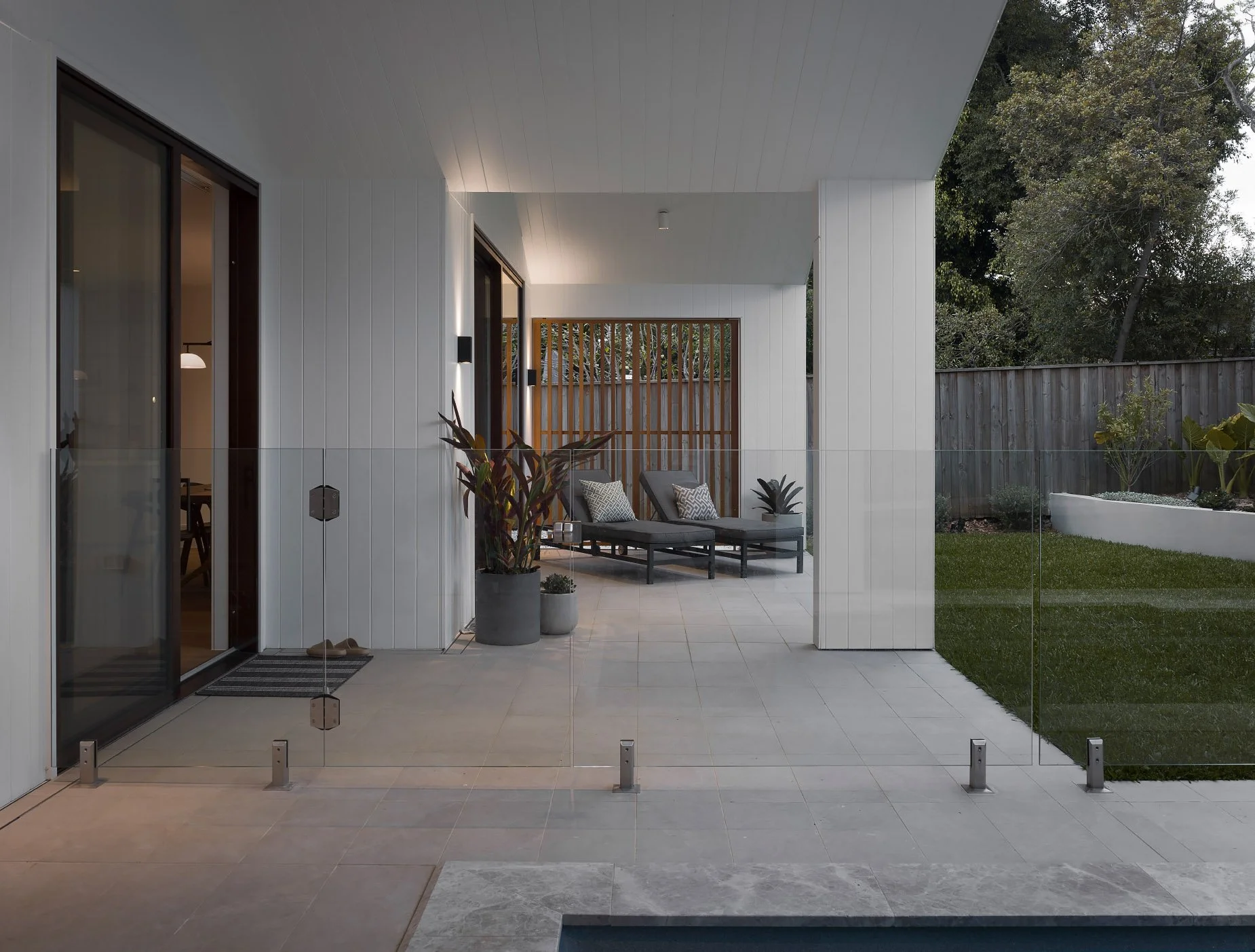
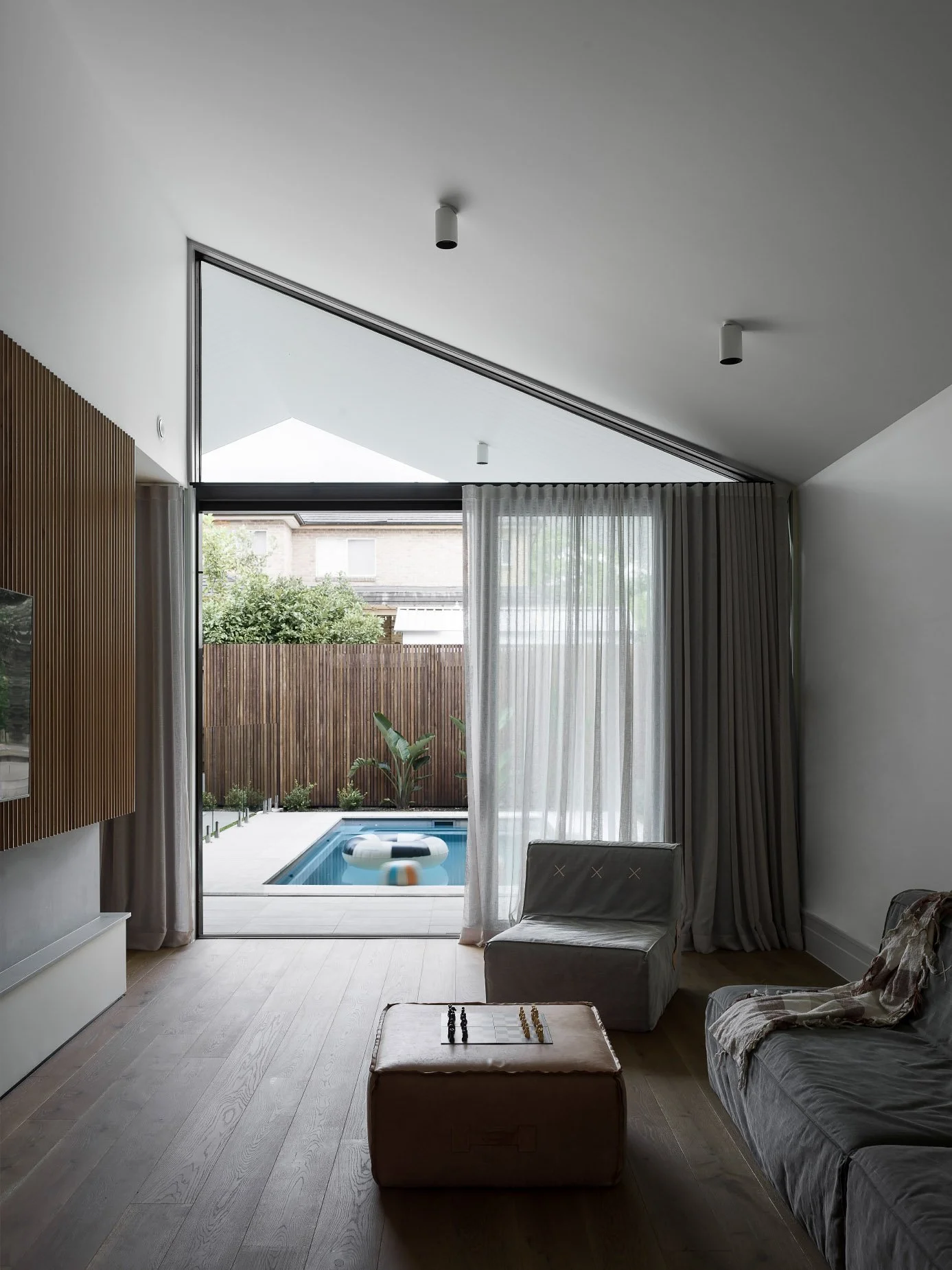
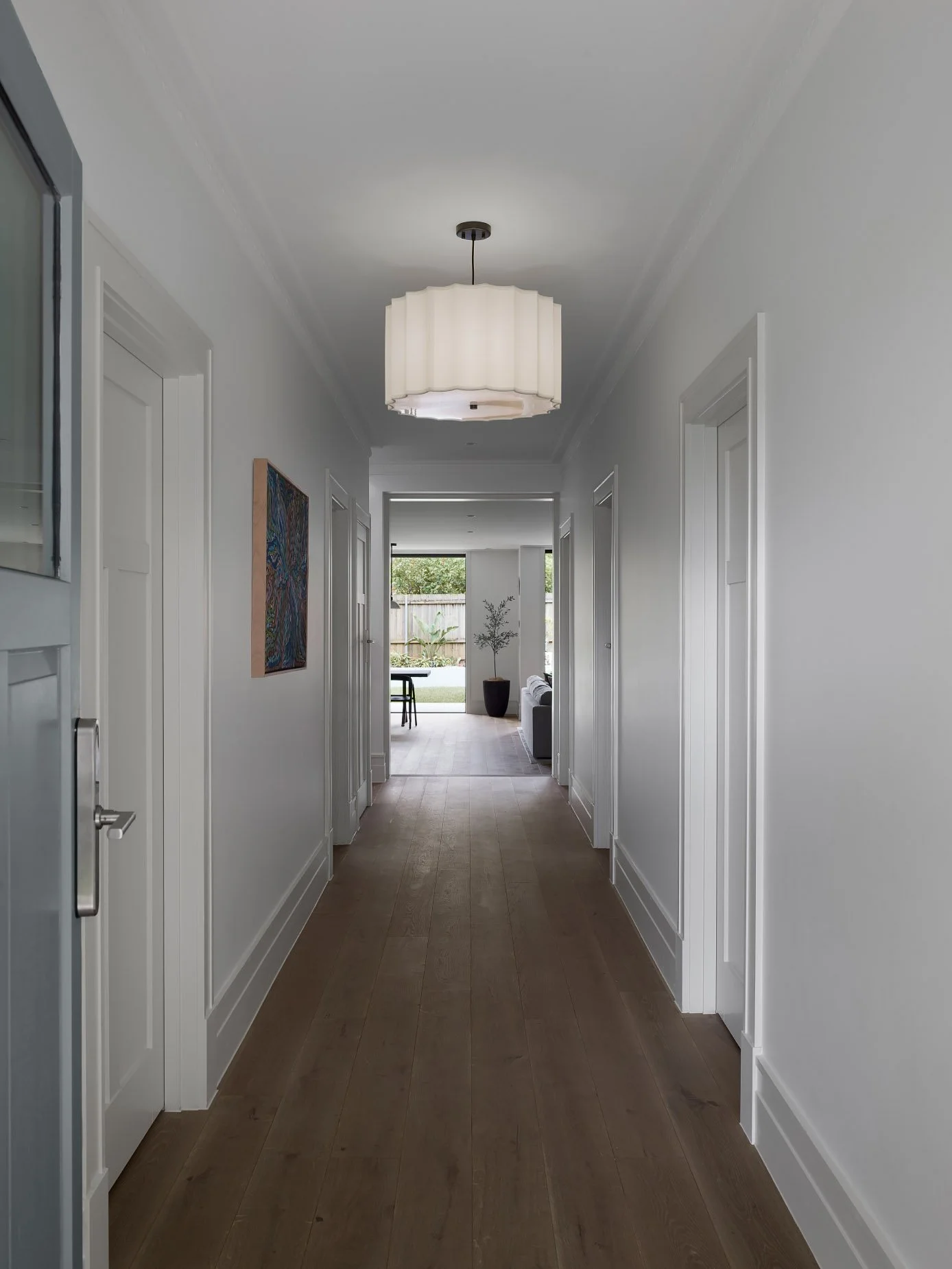
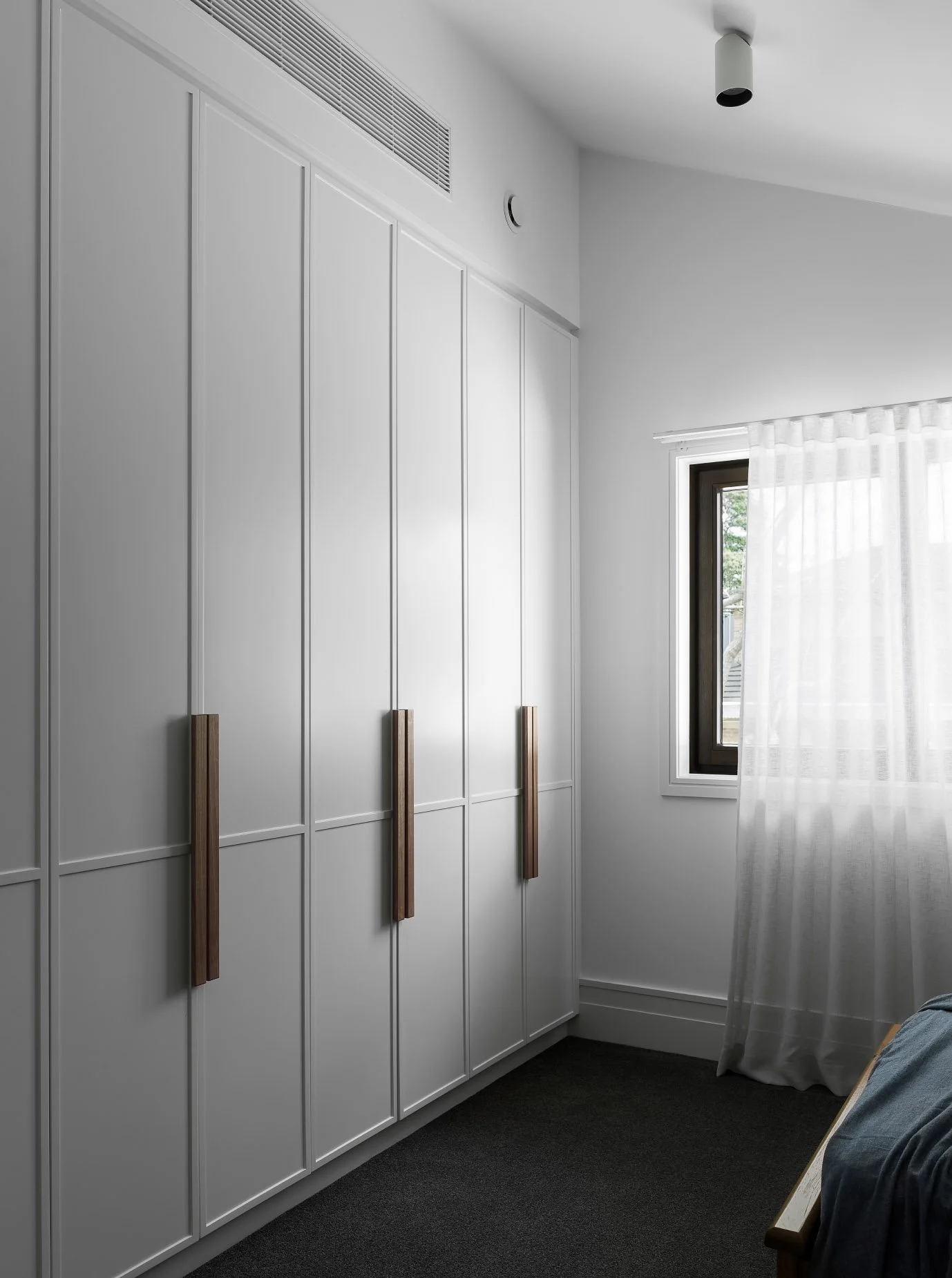
At the rear the asbestos lean-to and out house were demolished to make way for a modern, open living and dining area. A simple clean lined pitched roof form was adopted that regressively sits aloft the original frontage without overwhelming it. The interiors provide modern functionality with a gentle reminder to the original details of the home using tall skirting boards, architraves and cornices.
-
AIRTIGHTNESS n50 ACH@50pascals: 0.7@50pascals
HEATING DEMAND (kWh/m².yr): 6
COOLING DEMAND (kWh/m².yr): 7
HEATING LOAD (W/m²): 9
COOLING LOAD (W/m²): 11
PRIMARY ENERGY DEMAND (PE) (kWh/m².yr): 69
PRIMARY ENERGY RENEWABLE DEMAND (PER): 32
PRIMARY ENERGY RENEWABLE GENERATION (PER): 57 -
LOCATION: Willoughby, NSW
NCC CLIMATE ZONE: 5 – Warm temperate
NATHERS CLIMATE ZONE: 56
YEAR OF COMPLETION: 2024
TREATED FLOOR AREA (PHPP sqm): 233.9
PROJECT TYPE: Retrofit
SECTOR: Residential: Single Dwelling
CONSTRUCTION TYPE: Timber Frame, High Mass Masonry
CERTIFICATION LEVEL/ ENERGY STANDARD: EnerPHit -
MHRV SYSTEM: Stiebel Eltron VRC-W 400
DOMESTIC HOT WATER SYSTEM: Stiebel Eltron WWK 302 H Heat Pump
EXTERIOR WALL TYPE, U-VALUE: Masonry brick with knauf supafil and NRG greenboard / Timber framed,
0.270
FLOOR SLAB TYPE, U-VALUE: Slab on ground / timber framed, 0.399 / 0.277
ROOF INSULATION TYPE, MANUFACTURER: Knauf Earthwool Batts
ROOF CONSTRUCTION: Timber framed
ROOF ENVELOPE U-VALUE: 0.167
WALL FRAME TYPE, U-VALUE: Timber, 0.270
GLAZING TYPE, MANUFACTURER, U W-VALUE, G-VALUE, U G-VALUE: Double, Australian Glass Group AGG, 1.49, 0.57, 1.14
EXTERNAL DOOR TYPE, MANUFACTURER, U D-VALUE: Timber, BINQ, 1.60 -
NUMBER OF MODULES: 25
HEIGHT, WIDTH OF ONE MODULE (m, m): 1.722 x 1.134
HEIGHT OF ARRAY: 3.444 m
EFFICIENCY (%): 97






-
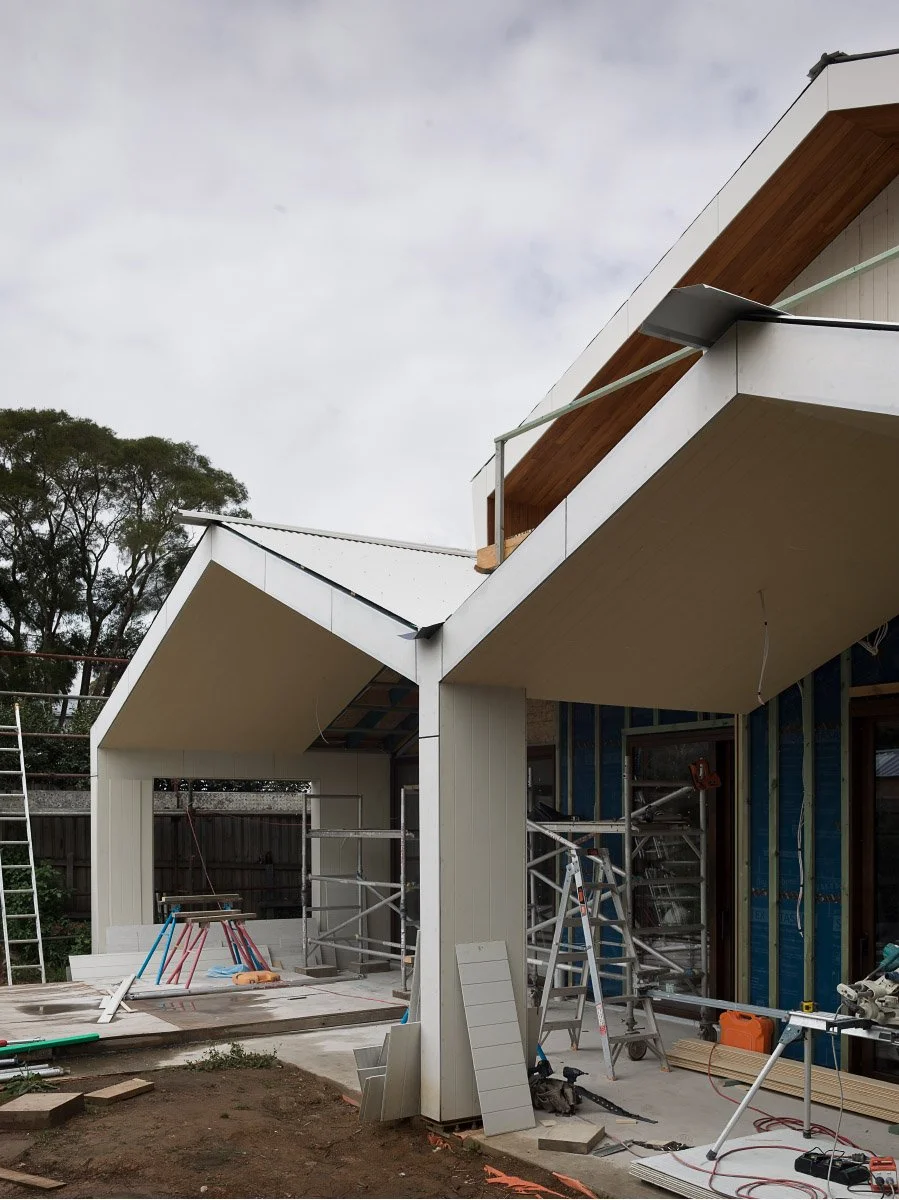
Maintaining the original charm and features of the California bungalow is critical to the design. Working closely with our engineer to design out all steel possible, the new works are completely FSC timber framing, with large glulam beams and timber posts. This resulted in larger structural zones but timber had much lower embodied energy.
-
Maintaining the original dwelling made achieving Passivhaus Standard more challenging. Insulating the old brickwork, floors and ceiling spaces and making these airtight was the hardest thing. Although would have been easier and cheaper to have built new, the team was committed to reducing construction waste and maintaining the charm of the original home.
There was an initial period of testing and client education to get all of balancing all of the systems to achieve the ideal internal thermal comfort.
The designer found that the solar gain through the first floor windows was higher than anticipated because of reflective glare and heat bouncing off the lower roof. They opted to add glazing films to these windows after completion to reduce the unexpected solar heat gain.
Project Members
PASSIVHAUS CERTIFIER: Marcus Strang - Hip v Hype
PASSIVHAUS CONSULTANT/ DESIGNER/ PROJECT MANAGER: Edward Dieppe
ARCHITECT/ BUILDING DESIGNER: Dieppe Design
CONTRACTOR/ BUILDER: iConstruct Building Solutions
STRUCTURAL ENGINEER: Cantilever
WINDOW SUPPLIER: BINQ
HRV SUPPLIER: Stiebel Eltron
AIRTIGHTNESS MEMBRANE SUPPLIER: Proclima
INSULATION SUPPLIER: Knauf / NRG Greenboard
ROOFING SUPPLIER: Colourbond
BLOWER DOOR TESTER: Peter Shea - Blower door services
PHOTOGRAPHER: Luke Butterly
Awards
Sustainability Awards 2024